
Imagine scrolling through Instagram and finding a creator who shares fashion advice, posts vacation photographs, recommends skincare products and collaborates with popular brands. Her pictures look realistic, her personality feels relatable, and thousands of people interact with her content. But there is one unusual detail that she does not exist in the physical world. She is a virtual influencer.
What once sounded like a futuristic experiment has developed into a new form of digital marketing. Computer-generated personalities are appearing in fashion campaigns, promoting consumer products, participating in online conversations and building audiences of their own.
Unlike traditional influencers, virtual creators do not need to travel for photoshoots, maintain a physical appearance or manage their schedules around everyday life. Their creators can control their appearance, personality, content and brand collaborations. In 2026, this is no longer just a hypothetical discussion. Virtual influencers are already part of the marketing industry, and brands are exploring how far this model can go.
What Exactly Are AI Influencers?

AI influencers, commonly known as virtual influencers, are digitally created personalities designed to interact with audiences through social media platforms. They can look like realistic human beings, animated characters or entirely fictional digital personalities. Their creators develop their appearance, backstory, interests, communication style and online identity to make them recognisable to followers. However, there is an important distinction between virtual influencers and fully AI-powered influencers.
CGI virtual influencers: These are computer-generated characters whose appearance and content are created or managed by human teams.
AI-powered virtual influencers: These use generative AI or other AI systems to assist with conversations, content creation, image generation and audience interactions.
Hybrid virtual influencers: These combine human creative direction, CGI production and AI-powered tools to create and manage content.
Not every virtual influencer is autonomous or powered entirely by AI. In many cases, a team of designers, marketers, writers and developers manages the personality behind the account. This distinction matters because the term AI influencer is often used broadly, even when the character is primarily a CGI creation.
How Did Virtual Influencers Become Popular?
The concept of virtual personalities is not entirely new. Digital characters and computer-generated models have existed in entertainment and advertising for years. However, social media gave these characters a new opportunity: they could develop ongoing identities instead of appearing only in advertisements. One of the most recognised examples is Lil Miquela, a virtual personality introduced in 2016. Her social media presence combined fashion, music, lifestyle content and fictional personal storytelling.
As audiences became more comfortable interacting with digital personalities, other virtual creators began appearing across different markets. Japan developed realistic digital models such as Imma, while Brazil's retail company Magazine Luiza built a virtual brand personality known as Lu do Magalu. India also entered this space with Kyra, a virtual influencer introduced in 2022.



The development of generative AI has further accelerated interest in the concept. Creating realistic images, producing videos, generating captions and maintaining a consistent digital character have become more accessible than they were during the early days of CGI influencers.
Meet the Virtual Influencers Already Attracting Attention
Several virtual personalities have moved beyond experimental digital characters and become recognisable names in influencer marketing. Their journeys show how different brands and creators are using this technology.
1. Lil Miquela: The virtual influencer who changed digital fashion
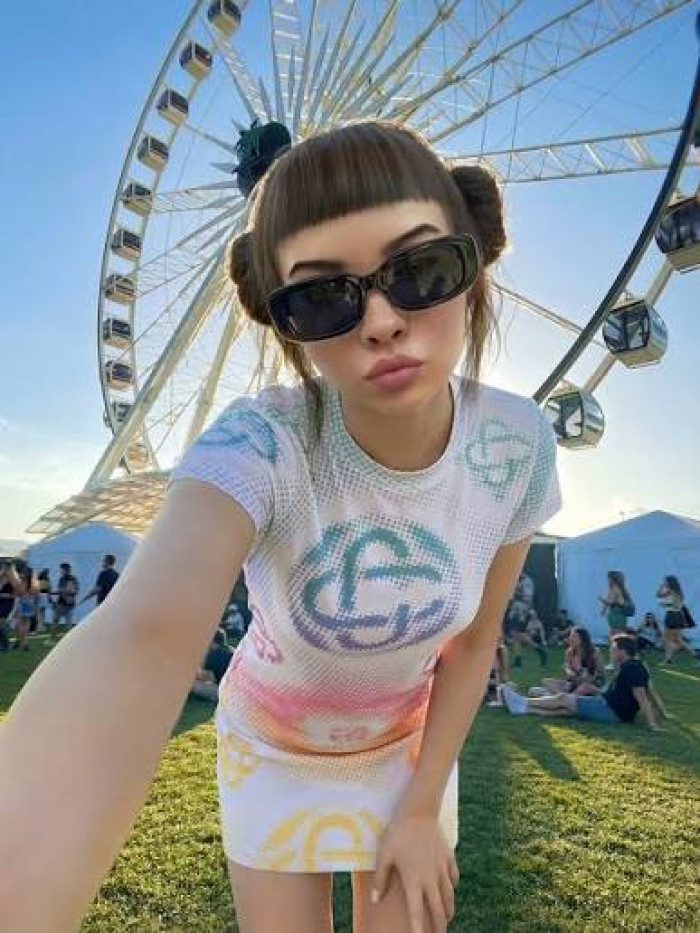
Lil Miquela is one of the most recognised virtual influencers in the world. Introduced in 2016, she was developed as a fictional digital personality with a distinctive appearance, personal backstory and social media presence. Her content covers fashion, music, lifestyle and social issues. What makes her particularly interesting is that she does not operate like a traditional advertising character. Instead, her online identity is built around an ongoing fictional personality. She has appeared in campaigns associated with major brands, including Prada, Calvin Klein and Samsung. Her collaboration with Calvin Klein alongside human model Bella Hadid attracted considerable attention and sparked discussions about the future of digital fashion campaigns. Lil Miquela demonstrates how a fictional personality can become a recognisable commercial identity without having a physical existence.
2. Imma: Japan's realistic digital fashion personality

Imma is a Japanese virtual model recognised for her realistic appearance and distinctive pink bob hairstyle. Her collaboration with IKEA Japan is one of the most interesting examples of virtual influencer marketing. In 2020, IKEA and creative agency Wieden+Kennedy created a digital home for Imma inside the IKEA Harajuku store in Tokyo. For three days, visitors could watch her digitally rendered daily activities through the store's windows, including reading, cooking and exercising. The campaign connected a virtual personality with a real physical retail environment. The campaign received international media attention and demonstrated that virtual influencers could be used for more than conventional social media posts. They could also become part of immersive retail experiences and creative brand storytelling.
3. Kyra: India's entry into the virtual influencer industry

The virtual influencer trend is not limited to international markets. India has also witnessed the emergence of digitally created personalities, with Kyra among the early examples. Introduced in January 2022, Kyra was developed by Himanshu Goel and the team at TopSocial India. Her digital identity revolves around fashion, travel, fitness and lifestyle content. One of her early major commercial collaborations was with boAt, an Indian consumer electronics brand. Her debut commercial attracted more than two million Instagram views and over one million YouTube views, according to reporting by ThePrint in August 2022. She has also been associated with brands such as John Jacobs Eyewear. Kyra's emergence is particularly relevant because it shows that virtual influencers can be developed around local audiences, cultural preferences and Indian consumer brands.
4. Lu do Magalu: When a virtual influencer becomes a brand ambassador
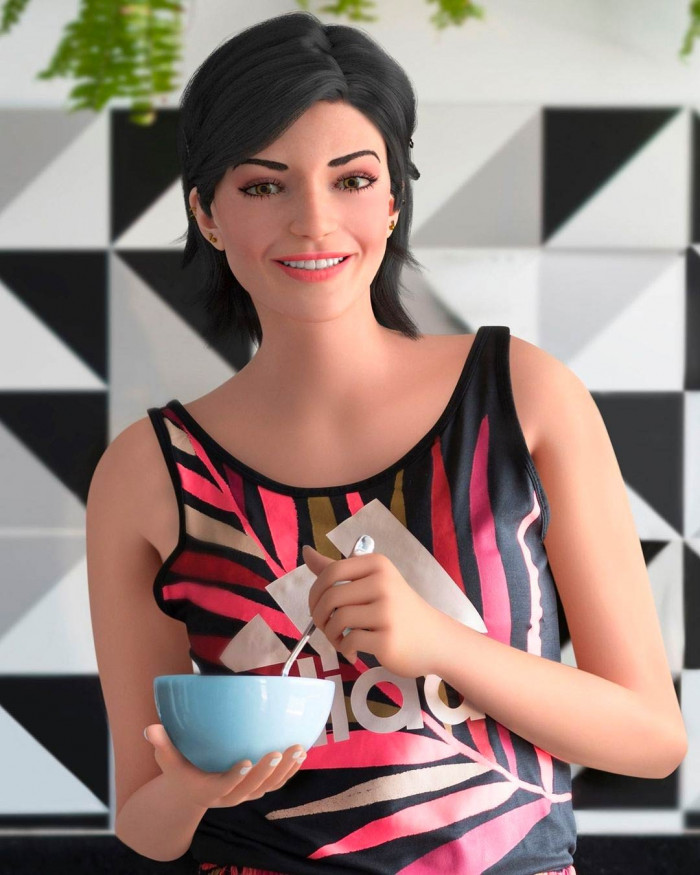
Unlike independent virtual personalities, Lu do Magalu was developed as a digital representative of the Brazilian retail company Magazine Luiza. Lu has become a recognisable part of the company's digital communication strategy. Her content includes product promotions, shopping recommendations, lifestyle posts and brand-related updates. Her biggest advantage is the direct connection between her personality and the company. Magazine Luiza can maintain consistent messaging and use her identity across different digital marketing channels. Lu demonstrates another potential direction for virtual influencers: instead of creating independent internet celebrities, companies can develop their own digital brand ambassadors.
Why Are Brands Interested in AI Influencers?
The growing interest in virtual influencers is not simply about creating realistic digital faces. Brands are exploring them because they offer a different approach to advertising, content production and online engagement.
Here are some of the biggest reasons behind their growing popularity.
1. Complete creative control
One of the biggest advantages of virtual influencers is that brands and their creative teams have greater control over their digital identity. Human influencers have independent opinions, personal commitments and unpredictable schedules. Virtual personalities, on the other hand, can be designed around a specific brand image.
Companies can plan their outfits, locations, communication styles and campaign appearances without organising traditional photoshoots for every piece of content. However, creative control does not automatically guarantee successful marketing. Audiences still need a reason to follow and trust the personality.
2. No geographical limitations
A human influencer needs to travel physically to participate in a photoshoot, attend an event or create location-specific content. Virtual influencers can be digitally placed in different environments. A brand can create a campaign showing the same character in Paris, Tokyo, Mumbai or New York without arranging international travel. This provides greater flexibility for international campaigns and digital storytelling.
3. Consistent brand identity
Human creators may change their content style, interests or professional direction over time. These changes are a natural part of being a person, but they can sometimes create challenges for brands. Virtual influencers allow companies to maintain a more consistent visual identity and communication style. For businesses running long-term campaigns, this consistency can be particularly useful.
4. New opportunities for creative storytelling
Virtual influencers are not restricted by the physical limitations of human creators. They can appear in futuristic environments, interact with fictional characters, participate in animated campaigns and promote products through imaginative digital experiences. This makes them particularly interesting for fashion, gaming, entertainment and technology brands.
5. Potentially scalable content production
Once a digital personality has been developed, creative teams can reuse its identity across different campaigns and platforms. AI-assisted image generation, video production and content workflows can reduce certain production requirements. However, creating a convincing virtual influencer still requires creative direction, quality control, character development and ongoing management. Virtual influencers are not automatically cheaper than human creators.
AI Influencers vs. Human Influencers: What Is the Difference?
The two models serve different purposes. Understanding their strengths and limitations helps explain why brands are experimenting with both.
| Comparison | AI/Virtual Influencers | Human Influencers |
|---|---|---|
| Identity | Digitally created personality | Real person |
| Creative control | Greater control by creators or brands | Influencer has personal independence |
| Availability | Can be digitally represented at any time | Depends on personal schedule |
| Authenticity | Can struggle with perceived authenticity | Can share genuine personal experiences |
| Content production | Requires digital design and production | Requires real-world content creation |
| Audience connection | Built through storytelling and interactions | Built through personal experiences and relationships |
| Brand safety | Controlled identity, but production risks remain | Personal actions can create reputational risks |
| Physical experiences | Cannot physically experience products | Can test and experience products directly |
The biggest difference is not appearance. It is the relationship between the creator and the audience. A human influencer can explain how a skincare product felt on their skin after using it for several weeks. A virtual influencer can present the same product in an attractive digital campaign, but cannot independently experience its effects. This distinction becomes important when a brand is selling products that require personal experience and genuine recommendations.
What Does the Future of AI Influencers Look Like?
The next stage of virtual influencer marketing will probably involve more than realistic photographs and carefully edited videos.
Several developments could shape the industry.
1. More interactive virtual personalities
AI-powered conversational systems could allow virtual influencers to respond to audience questions, participate in live digital experiences and maintain more personalised conversations.
2. AI-generated video content
Improvements in video generation could make it easier to produce consistent virtual personalities across different scenes, locations and campaigns.
3. Virtual brand ambassadors
More companies may explore developing their own digital personalities instead of relying exclusively on external influencers. These characters could become long-term representatives of a company's identity.
4. Personalised digital experiences
Virtual personalities could deliver content adapted to different languages, interests and audience groups, making campaigns more relevant to local markets.
5. Greater demand for transparency
As virtual personalities become more realistic, clear disclosure of synthetic identities and sponsored content will become increasingly important. The companies that succeed will probably be those that understand that technology alone cannot create an audience relationship. A virtual personality still needs a recognisable identity, relevant content and a credible reason for people to follow it.
Final Verdict: Are Virtual Influencers the Future of Social Media?
Virtual influencers are changing how brands approach digital advertising, social media storytelling and online personalities. Their ability to maintain consistent identities, participate in imaginative campaigns and support scalable content production makes them an interesting addition to the influencer marketing industry. However, their biggest limitation remains the same: they cannot independently experience the world like human creators.
The research available in 2026 also suggests that novelty does not automatically translate into trust or purchasing decisions. For brands, the smartest approach may be to use virtual influencers where creativity, consistency and digital storytelling matter most, while continuing to work with human creators when genuine experiences and personal credibility are essential.
Virtual personalities may become some of social media's most recognisable faces, but replacing the human connection behind influencing is a much bigger challenge.






Comments