
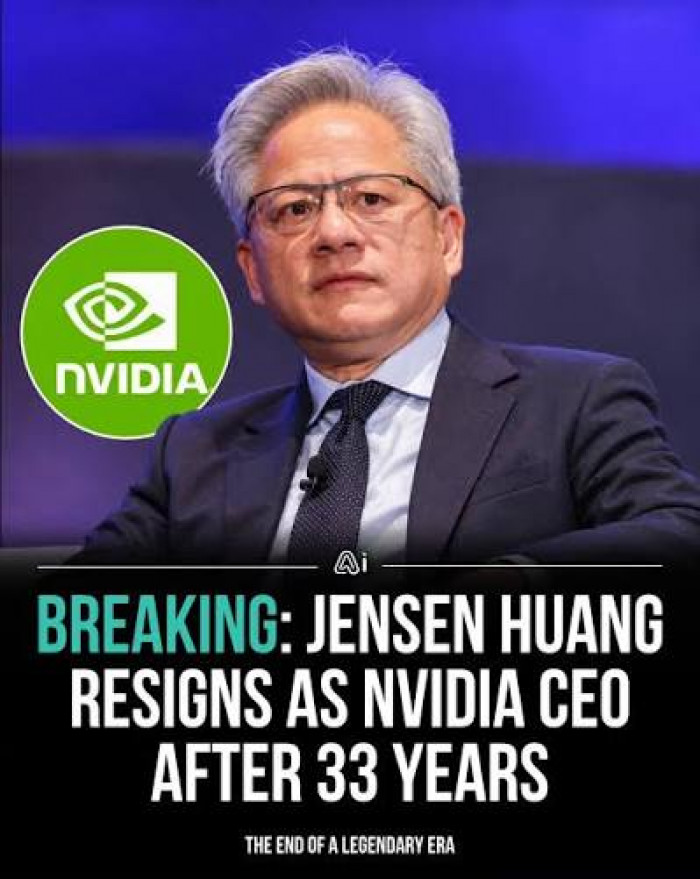
Nvidia is facing an unprecedented leadership crisis following the resignation of its longtime CEO and co-founder, Jensen Huang, on November 12, 2026. The sudden departure came after reports about his personal relationships raised serious questions about corporate governance, national security and the chipmaker's business connections in China. The controversy has attracted international attention because Nvidia plays a central role in the global artificial intelligence industry. Its graphics processing units (GPUs) power AI data centers, machine-learning systems and some of the world's most advanced computing infrastructure.
What initially appeared to be a personal controversy has developed into a wider discussion about the responsibilities of technology executives, US export restrictions and the security of advanced AI hardware. Although Huang has expressed a willingness to return to the company, Nvidia's board has ruled out reinstating him. Meanwhile, the company is dealing with increased scrutiny over its business relationships and the circumstances surrounding his departure.
Why Did Jensen Huang Resign From Nvidia?
Jensen Huang resigned as Nvidia's president, chief executive officer and board member on November 12, 2026. The company's board had accepted his resignation, which was effective immediately. The departure followed reports of multiple extramarital relationships, including one involving Alice Huang, a former executive at Singapore-based data center company Megaspeed International.
In a statement explaining the decision, Nvidia board chairman Harvey C. Jones said Huang had voluntarily stepped down after the disclosure of personal behaviour that was inconsistent with the company's code of conduct, standards and cultural expectations. The company appointed its longtime chief financial officer, Colette Kress, as interim CEO while the board began looking for a permanent replacement. Jones was also appointed chairman of the board.
Huang's resignation marked a significant change for Nvidia. He co-founded the company in 1993 and led its transformation from a graphics processing business into one of the world's most influential suppliers of AI computing technology. The announcement therefore raised questions about how Nvidia would manage its leadership transition while maintaining its position in the rapidly expanding AI market.
Who Is Alice Huang and Why Is She Connected to the Controversy?
Alice Huang, also known as Huang Le, is a Chinese businesswoman who previously held a senior position at Megaspeed International, a Singapore-based company involved in cloud computing and AI infrastructure. Her connection to Jensen Huang became a major part of the controversy after reports revealed that the two had a personal relationship.
More importantly, US intelligence officials reportedly suspected Alice Huang of having connections to China's Ministry of State Security. These suspicions raised concerns about whether her relationship with Nvidia's former CEO could have created potential risks involving sensitive business information and advanced AI technology. However, it is important to distinguish between intelligence allegations and established facts. Alice Huang has not been publicly proven to be a Chinese intelligence agent, and China has rejected the espionage allegations. Nvidia has also said it had no reason to believe that its national security interests or confidential company information had been compromised. The situation remains sensitive because Nvidia's technology is strategically important to the United States and its international competitors.

How Megaspeed International Became Part of the Nvidia Scandal
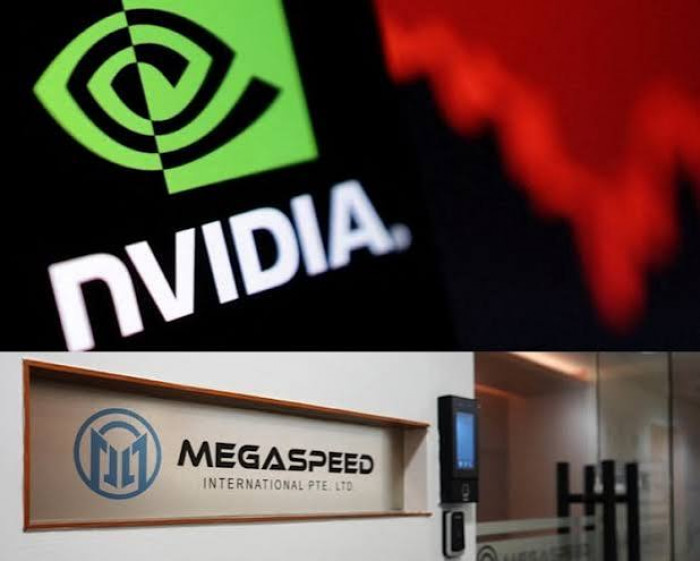
Megaspeed International became central to the controversy because of concerns about the possible diversion of advanced Nvidia chips to Chinese customers. The company operates in the AI infrastructure and cloud-computing sector. Businesses in this industry purchase powerful computing hardware and provide access to it through data centers and cloud services. US export restrictions limit the sale of certain advanced computing chips to China because of concerns about their potential military and strategic applications.
Megaspeed faced scrutiny over allegations that Nvidia-powered servers or chips could have been routed to restricted Chinese customers through intermediaries. The issue attracted attention from authorities in Singapore and the United States.
Singapore had previously investigated Megaspeed and related companies over suspected false declarations involving server purchases and exports. According to Singapore's government, investigators questioned Alice Huang and examined her possible involvement in the matter. Authorities later said there was insufficient evidence to establish that she had committed an offence, although they issued her a stern warning over information she provided and barred her from re-entering Singapore. Megaspeed has denied wrongdoing and maintained that its business activities comply with applicable export-control laws. On November 15, the company said Alice Huang had left her position on August 30, 2025, and no longer held a role there. It also announced an internal investigation led by external legal advisers. These developments have added another layer to the controversy, particularly because of the importance of preventing restricted AI technology from reaching unauthorised destinations.
Nvidia's Response to the Allegations
Nvidia has faced questions about whether its internal controls were sufficient to address potential national security risks involving its business relationships. The company has maintained that it had no reason to believe its confidential information or national security interests had been compromised. It also confirmed that its independent directors had initiated an investigation into the matter.
According to reporting by Reuters, the investigation involved outside legal advisers and examined the circumstances surrounding Huang's relationship with Alice Huang, along with the concerns raised by intelligence-related reports. The company has also faced scrutiny over its dealings with Megaspeed. Reports indicate that Nvidia had placed Megaspeed on its no-sell list in June 2025 after receiving questions from the US Commerce Department about direct or indirect sales to the company. Nvidia's position is important because the company must demonstrate that it takes export-control compliance seriously while continuing to serve customers across international markets.
US Government and Lawmakers Increase Scrutiny
The controversy has also attracted attention in Washington because of the strategic importance of advanced AI chips. US lawmakers have raised questions about the government's handling of possible chip diversion and the effectiveness of export restrictions. The issue has become part of a broader debate over whether existing rules are sufficient to prevent restricted computing technology from reaching Chinese companies. Several political figures have called for greater transparency regarding communications between government officials, Nvidia executives and companies connected to the investigation.
The US government has also faced questions about how it handled concerns involving Megaspeed and its access to advanced computing hardware. Separately, The Wall Street Journal reported that the Securities and Exchange Commission was investigating Nvidia. The reported inquiry has raised questions about the company's disclosures to investors. However, the existence of regulatory scrutiny does not establish that Nvidia or its executives violated securities laws or export restrictions. The investigations and related inquiries will determine whether any legal or regulatory violations occurred.
Jensen Huang Offers to Return, but Nvidia's Board Rejects the Idea
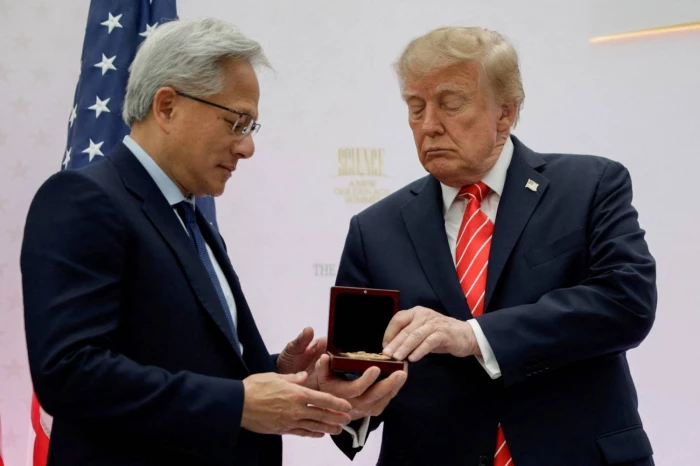
Despite leaving Nvidia, Huang has indicated that he would be willing to return if the company's board believed his reinstatement would benefit the business. On November 17, he publicly acknowledged the seriousness of his personal mistakes and said he regretted the problems they had created for the board. His statement followed an online campaign by supporters calling for his return.
However, Nvidia chairman Harvey C. Jones made the company's position clear during its November 17 earnings call. He said the board had unanimously accepted Huang's resignation and did not intend to reinstate him as CEO. The company is now considering both internal and external candidates for the permanent leadership position. The decision represents an important turning point for Nvidia. Huang's influence on the company has been enormous, but its board appears committed to moving forward with a different leadership structure.
Reuters also reported on November 20 that a purported internal employee letter demanding the board's resignation and Huang's reinstatement was fabricated. Nvidia co-founder Chris Malachowsky and executive Bryan Catanzaro disputed the authenticity of the circulating document. A separate public campaign supporting Huang's return does exist, but it should not be confused with the fake employee letter.
Nvidia's Financial Performance Remains Strong Despite the Controversy
Although the leadership crisis has created uncertainty, Nvidia's underlying business performance remains an important part of the story. The company reported fiscal 2027 third-quarter revenue of approximately $115.8 billion, with earnings per share of $2.68, according to its reported November earnings results.
Its data-center business continued to benefit from demand for AI computing infrastructure. Nvidia also provided a fourth-quarter revenue outlook of approximately $130 billion, indicating that demand for its products remained strong. The results were particularly significant because they arrived during a period of considerable uncertainty surrounding Huang's departure.
Investors are now assessing whether Nvidia can maintain its growth and competitive position without the executive who led the company for more than three decades. The controversy has also highlighted the risks associated with relying heavily on a single high-profile leader. For Nvidia, maintaining investor confidence will depend not only on financial results but also on its ability to demonstrate stable leadership and effective corporate oversight.
What Does the Jensen Huang Scandal Mean for the AI Industry?
The developments surrounding Nvidia have implications beyond the company itself. Nvidia supplies essential computing hardware to major technology companies, AI developers and data-center operators. Any major disruption to its operations or leadership could affect the wider AI ecosystem.
The controversy also highlights several important issues.
Corporate governance: Technology companies must maintain clear leadership standards and accountability, particularly when executives hold significant influence over business decisions.
AI chip security: Advanced processors are becoming strategically important assets. Governments are increasingly concerned about how these products are distributed and used.
International business risks: Companies operating across multiple countries must comply with different regulatory requirements, particularly when their products are subject to export restrictions.
Leadership succession: Nvidia's transition demonstrates the challenges that can arise when a company becomes closely associated with its founder and chief executive.
These issues are likely to remain important as competition in artificial intelligence continues to intensify.
What Happens Next for Nvidia?
Nvidia's immediate priority is to manage the leadership transition and address the questions raised by the controversy. Colette Kress is serving as interim CEO while the board evaluates candidates for a permanent appointment. The independent investigation into the circumstances surrounding Huang's departure is also an important part of the company's response. Meanwhile, authorities and lawmakers continue to examine questions involving Megaspeed, export restrictions and the possible movement of advanced AI hardware. The outcome of these inquiries could influence how Nvidia approaches its international business relationships and compliance procedures.
For Huang, the situation represents a dramatic change after more than three decades at the centre of Nvidia's growth. Although he has expressed a willingness to return, the board has made clear that it does not currently intend to reinstate him.









Comments