
Modern investigations have entered a completely different era. In the past, most cases were reconstructed after the fact through interviews, handwritten reports, eyewitness memory, and fragmented physical evidence. Today, many incidents generate their own timeline while they are happening. Vehicles transmit telemetry, smartphones create location histories, workplace systems log user activity, and connected devices continuously record operational behavior in the background.
This shift is changing how investigators think. The central question is no longer just what happened, but what data already exists that can explain what happened. Real-time tracking has transformed investigations from reactive exercises into evidence-driven reconstructions built around timestamps, movement patterns, system activity, and live operational records. From accident litigation and cybersecurity breaches to workplace incidents and insurance disputes, digital tracking systems are now shaping the backbone of modern investigative work.
The Real Power of Real-Time Tracking Is Context
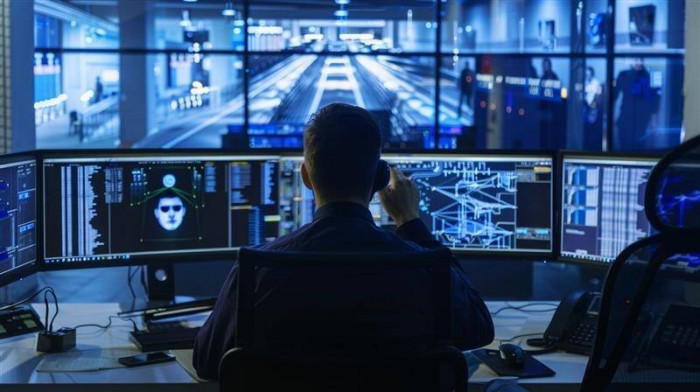
The most important benefit of real-time tracking is not simply speed. It is context. A witness may remember hearing brakes screech moments before a collision. A driver may insist they reacted immediately. A company employee may claim a security alert was never received. Before connected systems became common, investigators had little choice but to compare conflicting versions of events and search for inconsistencies.
Now, digital systems often provide a measurable timeline. A connected vehicle, for example, can reveal whether braking happened gradually or only a fraction of a second before impact. GPS records can show whether a delivery driver followed the assigned route or took an unexplained detour. Internal company systems can establish whether a safety alert was ignored, acknowledged late, or never triggered at all.
This is why modern investigations increasingly revolve around synchronized data sources rather than isolated testimony.
Vehicles Have Become Rolling Evidence Systems
Few industries have changed more dramatically than accident investigation. Modern vehicles no longer function only as transportation machines. They operate as continuous data environments capable of recording operational behavior before, during, and after an incident. Commercial fleets, rideshare vehicles, and even many consumer cars now generate detailed telemetry records that investigators can analyze with remarkable precision.
What makes this valuable is not one isolated metric, but the way multiple signals combine to reconstruct driver behavior.
| Vehicle Data Type | What Investigators Can Learn |
| Speed and acceleration records | Whether the driver was operating aggressively, maintaining speed, or attempting to slow down before impact |
| Braking behavior analysis | How quickly the driver reacted and whether emergency braking occurred too late |
| Steering and directional input | Whether evasive action was attempted before the collision |
| GPS movement history | The exact route taken before the incident and whether unusual deviations occurred |
| Dashcam recordings | Visual context including traffic flow, weather, visibility, and road conditions |
| Sensor and diagnostic alerts | Whether the vehicle experienced mechanical warnings or system failures before impact |
This combination changes the quality of investigation entirely. Instead of estimating driver behavior from damage patterns alone, investigators can often study second-by-second operational activity.
That is also why evidence preservation has become critically important. Vehicle systems may overwrite data automatically after a period of time, and nearby surveillance footage may disappear within days. In major collision cases, investigators and legal professionals, including a car wreck attorney Fort Lauderdale handling serious roadway disputes, often focus immediately on securing telematics records, dashcam footage, and nearby traffic-camera evidence before it is lost.
Location Tracking Has Quietly Become One of the Strongest Forms of Evidence
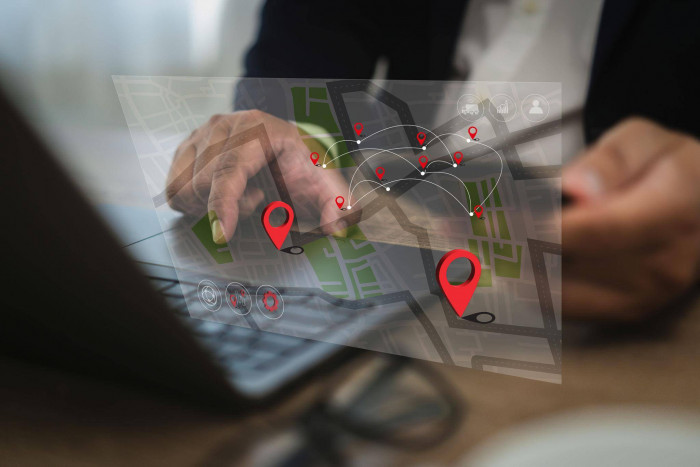
Location data has become so common that most people barely notice how much of it is generated every day.
Smartphones continuously interact with GPS satellites, Wi-Fi networks, Bluetooth systems, and mobile towers. Navigation apps record movement patterns. Delivery platforms track routes. Rideshare systems timestamp pickups and drop-offs. Even fitness applications can create movement histories detailed enough to reconstruct a timeline. For investigators, this has enormous value because many disputes are fundamentally about timing and presence.
Real-time location tracking is now commonly used to:
● Verify whether someone was physically near an incident location at a specific time: This is especially important in accident investigations, fraud claims, and workplace disputes where proximity matters.
● Reconstruct movement before and after a critical event: Investigators can analyze travel patterns, route deviations, unexpected stops, or gaps in activity that may reveal inconsistencies.
● Validate operational timelines in logistics and transportation cases: Delivery disputes, shipment delays, and fleet investigations increasingly rely on GPS-generated evidence rather than manual reporting.
● Cross-check witness statements against measurable movement records: A person may describe events one way, while location history may reveal a different sequence entirely.
At the same time, location tracking has become one of the most sensitive forms of modern evidence. Poorly managed collection practices can expose deeply personal information unrelated to the dispute itself. That is why regulators and privacy advocates are paying much closer attention to how location records are obtained, stored, and analyzed.
Businesses Are Investigating Themselves Through Operational Data
One of the biggest changes in modern investigations is happening quietly inside businesses.
Most companies now operate through platforms that continuously generate digital activity trails. Every login, approval, file edit, warehouse scan, access-card swipe, or cloud-system interaction can become part of an investigative timeline when a dispute arises. This means internal investigations are becoming far more data-driven than they were even a decade ago.
| Business System | Investigative Insight |
| Badge access systems | Helps determine who entered restricted areas and at what time |
| Cloud authentication logs | Reveals account access patterns and suspicious login behavior |
| CRM activity tracking | Shows when records were edited, approved, or reassigned |
| Warehouse scanning systems | Verifies whether shipments moved according to documented timelines |
| Internal communication platforms | Helps reconstruct escalation timelines and response delays |
| Endpoint monitoring tools | Identifies unusual device activity during cybersecurity incidents |
The importance of these systems goes beyond identifying fault. In many investigations, operational data reveals that the real problem was a broken process rather than a single bad actor.
A workplace injury investigation may show repeated ignored maintenance alerts before the incident occurred. A cybersecurity breach may reveal that unauthorized login attempts had been happening for weeks without escalation. A logistics dispute may expose inconsistent scanning procedures rather than intentional misconduct.
Real-time tracking is therefore reshaping investigations into broader operational reviews rather than narrow blame assignments.
Cybersecurity Investigations Depend on Live Visibility
Cyber investigations move faster than almost every other category of dispute. When attackers gain access to a network, delays become expensive very quickly. Investigators need immediate visibility into how the intrusion happened, which systems were affected, whether sensitive data was accessed, and how far the compromise spread.
Real-time monitoring systems now allow organizations to identify unusual behavior while attacks are still unfolding.
Modern cybersecurity investigations often rely on:
● Identity monitoring systems that detect suspicious login behavior in real time: Unusual login locations, impossible travel patterns, or repeated authentication failures can signal compromised accounts.
● Endpoint monitoring tools that track unauthorized device activity: These systems help investigators determine whether malware executed, files were accessed, or sensitive information was transferred.
● Cloud access logs that reconstruct attacker movement across systems: Investigators can often trace which accounts accessed which environments and when.
● Network monitoring tools that identify abnormal traffic patterns: Sudden spikes in outbound data transfers may indicate active exfiltration attempts.
The FBI’s Internet Crime Complaint Center continues reporting billions of dollars in annual cybercrime losses, reflecting how dependent organizations have become on rapid detection and real-time investigative visibility.
The Biggest Challenge Is No Longer Missing Evidence
Ironically, the modern problem is often the opposite. Organizations are no longer struggling to find evidence. They are struggling to manage overwhelming amounts of it.
A large investigation may involve hundreds of hours of surveillance footage, thousands of log entries, multiple GPS datasets, cloud-system records, sensor alerts, mobile device history, and third-party platform data. The challenge becomes separating signal from noise. This creates several major investigative risks.
Too much data can create its own problems:
● Investigators can lose critical context while sorting through enormous datasets: Important evidence may become buried inside irrelevant operational information.
● Poor evidence handling can weaken otherwise strong investigations: Missing metadata, incomplete exports, altered timestamps, or undocumented transfers can damage credibility.
● Over-collection creates privacy and compliance concerns: Gathering unnecessary personal information may expose organizations to legal and reputational risk.
● Raw data without interpretation can be misleading: A timestamp or location ping may appear suspicious until operational context explains it properly.
This is why experienced investigators increasingly combine technical analysis with operational understanding. Data alone rarely explains an event completely. Interpretation still matters.
Real-Time Tracking Is Changing the Purpose of Investigations
Perhaps the most important shift is that investigations are becoming predictive instead of purely reactive.
Fleet operators now monitor harsh braking patterns and unsafe driving behavior before collisions occur. Manufacturers use live sensor systems to detect maintenance risks before equipment fails. Cybersecurity teams use anomaly detection tools to identify suspicious activity before a breach escalates into a crisis.
The role of investigation is gradually evolving from determining responsibility after damage occurs to identifying warning signs before larger failures happen. That transition may ultimately become the most important impact of real-time tracking technology.
Final Thoughts
Real-time data tracking is reshaping modern investigations because it introduces something investigations historically lacked: continuous visibility into events as they unfold.
Vehicle telemetry, smartphone location records, cloud-system logs, surveillance infrastructure, IoT devices, and live operational monitoring tools are helping investigators build more accurate timelines and stronger evidence-based conclusions. These systems reduce uncertainty, expose operational failures, and provide measurable context that traditional investigations often struggled to obtain.
At the same time, the growing reliance on real-time data creates serious responsibilities around evidence preservation, lawful collection, privacy protection, and accurate interpretation. Technology may generate the records, but disciplined investigative work is still what turns those records into reliable conclusions.
Modern investigations are no longer built around isolated fragments of evidence. They are increasingly built around connected digital ecosystems that document how events actually unfold in real time.





Comments