
Technology is no longer something people use only for work, research, or entertainment. It now sits inside ordinary choices: what route to take, what product to buy, which bill to pay first, whether a message looks suspicious, or when a situation needs professional help. Its real value is not that it makes people smarter overnight. Its value is that it helps people see more clearly before they act.
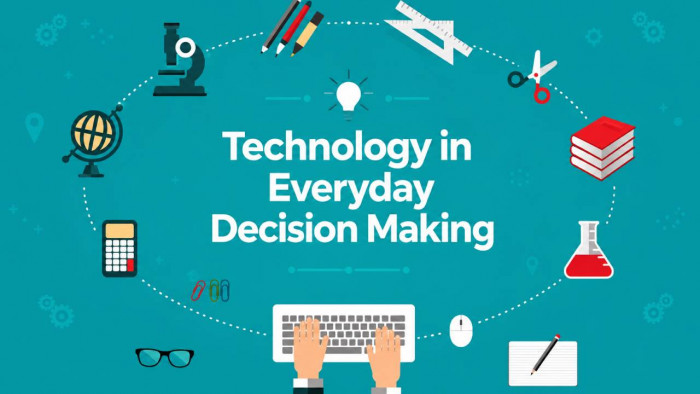
That matters because modern decisions are rarely simple. Most people are not short on information. They are surrounded by too much of it. Search results, reviews, alerts, emails, receipts, medical portals, banking apps, maps, dashboards, and AI summaries all compete for attention. The practical role of technology is to turn that scattered information into something usable.
Decisions Now Start With Data
A large part of everyday life now begins with digital signals. A phone shows traffic before a person leaves home. A banking app warns about unusual spending. A smartwatch notices changes in sleep, movement, or heart rate. A delivery app estimates arrival times. A review platform helps compare services before a booking is made.
This is not a small shift. In 2025, the International Telecommunication Union estimated that about 6 billion people were using the internet globally, equal to roughly 74 percent of the world’s population, up from 5.8 billion in 2024. In the United States, Pew Research Center’s 2025 mobile data shows that 98 percent of adults own a cellphone of some kind, while 91 percent own a smartphone. That means everyday decisions are increasingly shaped by connected devices, instant information, digital records, and mobile-first access
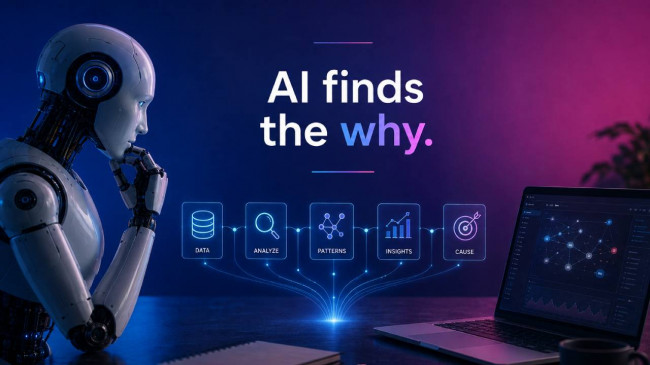
The most useful technology does not simply add more information. It helps people notice patterns that would be difficult to track manually. A person may not remember every monthly subscription, but a banking app can show recurring charges. A driver may not know which route is slow today, but map data can compare travel time in seconds. A small business owner may not remember every customer inquiry, but a CRM or inbox search can reveal repeated questions.
The decision itself still belongs to the person. Technology just improves the view.
The Move From Searching to Sorting
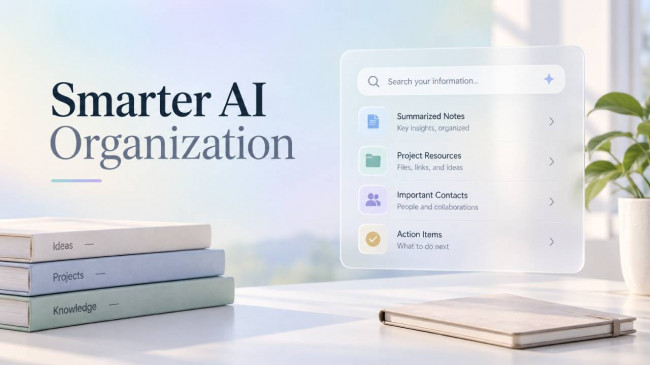
For years, digital decision-making mostly meant searching. People typed a question into a search engine, opened several pages, and tried to compare the answers. That still happens, but AI has changed the process. People now ask tools to summarize, compare, explain, classify, rewrite, and organize.
That is why AI feels practical in everyday life. It can turn a confusing email into a plain explanation. It can compare two insurance terms. It can create a list of questions to ask before hiring a service provider. It can help someone understand a document before they speak to a professional.
Pew Research Center reported in 2026 that about half of U.S. adults now use AI chatbots, up from about one-third in 2024. That growth shows that AI is moving from novelty to habit. People are not only using it to write emails or generate content. They are using it to think through choices.
Still, there is an important difference between assistance and authority. AI can organize a decision, but it cannot always judge the stakes correctly. It may summarize a policy, but it may miss a clause. It may explain a medical term, but it cannot understand the full patient history. It may describe a legal process, but it cannot replace location-specific professional advice.
That is where practical digital literacy becomes important. The best users of technology are not the ones who trust every output. They are the ones who know how to compare, verify, and ask better questions.
Where Technology Helps Most
The strongest everyday value of technology appears in decisions that involve time, money, safety, or documentation. These are areas where small details can change the outcome.
| Decision Area | How Technology Adds Practical Value |
| Money management | Budgeting apps, bank alerts, spending categories, and fraud warnings help people spot financial patterns before they become larger problems. |
| Travel and movement | Maps, traffic tools, ride apps, and delay alerts help people make faster route and timing decisions. |
| Shopping and services | Reviews, comparison pages, return policies, and price trackers help users avoid poor choices and overpaying. |
| Work and productivity | AI assistants, calendars, dashboards, and task tools help organize information that would otherwise stay scattered. |
| Safety and records | Dashcams, smart sensors, location sharing, cloud backups, and digital photos help preserve useful details after incidents. |
The common thread is not convenience alone. It is the ability to reduce uncertainty. When someone has better information, they can make a calmer choice. They can compare options instead of guessing. They can avoid relying only on memory. They can act before a small issue turns into a larger one.
This is especially visible in financial decisions. A person who sees a bank alert within minutes can freeze a card before more damage happens. A household that tracks expenses can notice that subscriptions, delivery fees, or interest payments are quietly increasing. A freelancer who uses invoicing software can see which clients pay late and which projects consume too much unpaid time.
Technology does not remove responsibility from these decisions. It makes responsibility easier to manage.
AI as a Personal Decision Assistant

The practical promise of AI is not that it knows everything. It is that it can help people structure messy thinking. Many everyday choices involve too many moving parts: deadlines, costs, documents, risks, personal priorities, and unclear next steps.
AI can help by turning a vague decision into a process. For example, instead of asking “Which option is best?” a person can ask:
● What are the main differences between these two choices?
● What risks should I check before deciding?
● What information is missing from this document?
● What questions should I ask a professional before I agree?
● What would be the safest next step if I am unsure?
This is a better way to use AI because it keeps the person in control. The tool becomes a thinking aid, not a substitute for judgment.
Workplace adoption shows the same pattern. Microsoft’s 2025 Work Trend Index found that 78 percent of leaders are considering hiring for new AI roles, while 83 percent say AI will help employees take on more complex and strategic work earlier in their careers. That does not mean AI has solved workplace productivity. It means organizations are using it because work is overloaded with messages, documents, meetings, repetitive tasks, and decisions that need faster information sorting.
In everyday life, the same pressure exists in smaller ways. People need to read school messages, compare bills, understand contracts, manage appointments, respond to work requests, and make personal decisions with limited time. AI is useful when it reduces the mental load without hiding the important details.
When Information Needs Interpretation
Technology is strong at collecting and organizing signals. It is weaker when those signals need legal, medical, financial, or technical interpretation. That distinction matters. A dashcam can record part of a crash, but it cannot explain liability. A phone can store photos and timestamps, but it cannot decide which evidence matters. A search result can describe a process, but it may not apply cleanly to a specific location or situation.
Road incidents are a clear example because they often involve both digital records and real-world consequences. A serious truck collision may involve vehicle data, driver logs, phone records, maintenance records, surveillance footage, insurance communication, medical documentation, and questions about who may be responsible. The latest 2024 NHTSA large-truck data shows the scale of the issue: 5,340 people were killed in crashes involving large trucks in the United States, and 70 percent of those killed were occupants of other vehicles.
A Practical Checkpoint for Serious Incidents
This is where technology helps, but only up to a point. It can help someone preserve photos, organize documents, track communication, save reports, and understand basic terminology. But once the issue involves evidence, responsibility, deadlines, and local legal process, the information often needs more than a quick summary.
Reviewing a focused resource such as an Aurora truck accident lawyer page can help readers see how evidence such as surveillance footage, truck driver log books, phone records, black box data, and maintenance records may be discussed after a commercial vehicle collision. The point is not that every difficult decision needs professional help immediately. The point is that technology should help people recognize when the stakes have changed and when digital tools should be treated as preparation, not the final answer.
The Limits of Digital Guidance
The mistake many people make is assuming that more data always means a better decision. That is not true. More data can create confidence without clarity. A person can read ten reviews and still misunderstand a product. They can ask an AI tool five times and still receive a polished but incomplete explanation. They can save dozens of documents and still fail to identify which one matters most.
Technology has several practical limits:
● It may show information without explaining the quality of the source behind it.
● It may summarize complex material in a way that removes important exceptions.
● It may reflect outdated, incomplete, or biased information.
● It may make a user feel confident before they have verified the facts.
● It may organize evidence without explaining what that evidence proves.
This is why human judgment remains central. Technology can support pattern recognition, but people still need context. A price comparison tool can show the cheapest option, but it cannot always measure long-term reliability. A health tracker can show a change in sleep patterns, but it cannot diagnose the cause. An AI tool can explain a contract clause, but it cannot know whether the person should sign.
The best approach is not to reject technology. It is to use it with a verification habit.
A Simple Framework for Better Decisions
Everyday decision-making improves when people use technology in stages instead of reacting to the first answer they see. A simple framework can help.
| Step | Practical Question | How Technology Helps |
| Collect | What information do I actually have? | Save documents, screenshots, receipts, photos, messages, and relevant dates in one place. |
| Compare | What are my real options? | Use search, AI summaries, calculators, reviews, and comparison tools to understand differences. |
| Verify | Which source can I trust? | Check official pages, updated information, expert resources, and multiple independent sources. |
| Interpret | What does this mean for my situation? | Use AI for explanation, but involve professional judgment when the issue is serious or specialized. |
| Act | What is the safest next step? | Create a checklist, set reminders, document actions, and avoid rushed decisions. |
This framework keeps technology in the right role. It becomes a decision support system, not a decision-maker.
For example, someone comparing a new laptop can collect specs, compare prices, check return policies, read long-term reviews, and then decide based on budget and need. Someone reviewing a medical bill can collect statements, compare insurance explanations, ask AI to clarify billing terms, and then call the provider with specific questions. Someone dealing with a road incident can save photos, preserve communication, organize records, and then decide whether the situation requires professional guidance.
The pattern is the same across different parts of life: collect first, compare carefully, verify sources, interpret the stakes, then act.
Everyday Examples That Show the Value
The practical value of technology becomes clearer through ordinary situations.
A parent choosing a school program may use online reviews, school websites, location data, fee information, and parent forums. The useful decision is not based on one rating. It comes from comparing practical details: distance, schedule, teaching approach, safety, cost, and student support.
A renter reviewing a lease may use AI to explain confusing terms, but they should still check the actual wording and local rules. The AI summary can help them ask better questions, but the lease itself remains the source that matters.
A small business owner deciding whether to run ads can use analytics to see which pages attract visitors, which products convert, and which campaigns waste money. Without technology, the decision may rely on instinct. With technology, the owner can see evidence.
A driver after a minor collision may use a phone to photograph vehicle positions, road conditions, license plates, and visible damage. Those records may later help with insurance communication. The value is not the phone itself. The value is having accurate details before memory fades.
These examples show why technology is practical rather than abstract. It helps people move from confusion to structure.
What Good Digital Decision-Making Looks Like
Good digital decision-making does not mean trusting the first app, AI response, or search result. It means using technology to slow down the right parts of the process.
A strong digital decision usually has five signs:
● The person has saved the original information instead of relying only on memory.
● The person has compared more than one source before acting.
● The person understands what the tool can and cannot explain.
● The person has checked whether the decision carries financial, legal, medical, or safety consequences.
● The person has chosen a next step that is based on evidence, not panic.
This is where technology becomes genuinely useful. It gives people enough structure to avoid rushed choices. It also gives them enough visibility to know when a situation is beyond a simple online answer.
Verdict
The practical value of technology in everyday decision-making is not about replacing human judgment. It is about improving the conditions under which judgment happens. Digital tools help people collect information, compare options, notice patterns, preserve records, and ask better questions.
AI adds another layer by making complex information easier to sort, but it should not be treated as the final authority in serious matters. The strongest decisions still come from a mix of useful data, verified sources, personal context, and human interpretation.
Technology works best when it makes people more careful, not more careless. It should reduce confusion, not create blind confidence. Used well, it turns everyday decisions into a clearer process: understand the facts, check the risks, recognize the limits, and act with better judgment.







Comments