
What actually counts as an alternative
Most articles get this wrong.
A real Sudowrite alternative is not just an AI that writes text. It has to support how fiction actually gets written. That means:
- Helping with story flow, not just paragraphs
- Supporting scene expansion and transitions
- Assisting with tone, voice, and pacing
- Making character or narrative decisions easier
This immediately removes a large number of popular tools.
Jasper, Copy.ai, Writesonic and similar platforms are not real alternatives. They are built for marketing copy, blog posts, and structured content. They can generate text, but they do not understand narrative continuity or creative progression.
Using them for fiction feels like forcing the wrong tool into the wrong job.
Alternatives, based on how you actually write
Instead of listing tools, it makes more sense to look at what you’re trying to replace.
If you want something closest to Sudowrite’s creative feel
NovelAI is the closest match in terms of intent. It is designed specifically for storytelling and gives you control over tone, style, and narrative direction. (https://novelai.net/)
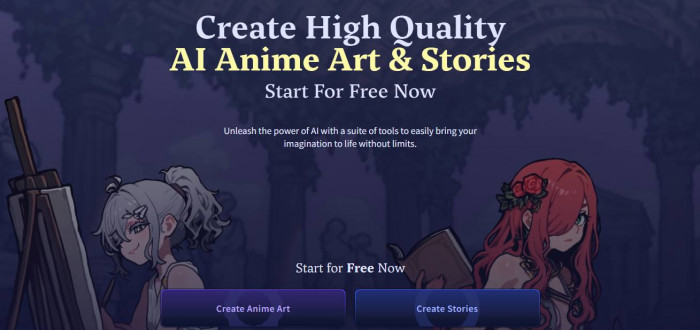
It feels more flexible than Sudowrite in some ways. You can guide the output more precisely and shape the writing style over time. It also handles longer contexts better for ongoing stories.
But it lacks Sudowrite’s structured features. There is no equivalent to guided scene expansion or tools like “Describe” or “Rewrite” that feel purpose-built. You are doing more manual steering.
Pricing starts around $10 per month and increases depending on usage tiers.
If you want more control over the writing process
This is where ChatGPT-style workflows come in.
Used properly, they can go beyond Sudowrite. You can plan structure, define characters, iterate on scenes, and refine tone across drafts. The flexibility is much higher. (https://chatgpt.com/)
But this only works if you know what you’re doing.
There is no built-in system guiding you through storytelling. You have to design your own process. That means prompting for outlines, managing continuity manually, and revising output repeatedly.
It is powerful, but it is not easy. Most users expecting Sudowrite-like assistance end up doing more work, not less.
Pricing varies depending on the model, but typically ranges from free tiers to around $20 per month.
If you want something cheaper and “good enough”
Some tools appear cheaper, but the trade-off becomes obvious quickly.
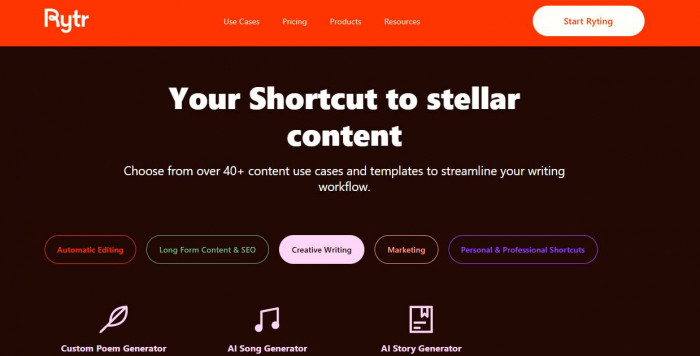
Rytr is one example. It is affordable and can generate text for basic creative prompts. But it lacks depth. The output often feels shallow, and maintaining narrative consistency across scenes is difficult. (https://rytr.me/)
Quick comparison snapshot
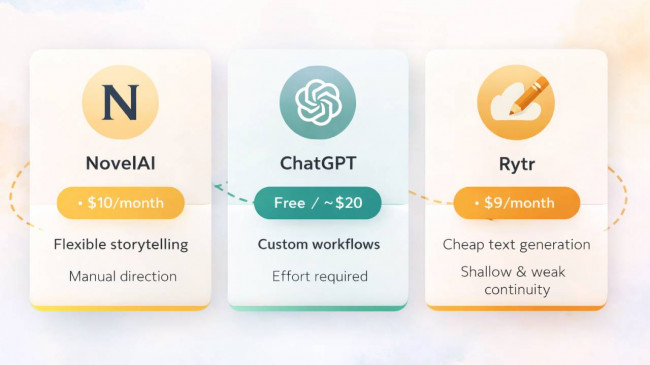
| Tool | Starting Price | Best For | Where It Falls Short |
| NovelAI | ~ $10/month | Story-driven writing with stylistic control and narrative continuity | Lacks guided tools like scene expansion or structured prompts, requires manual direction |
| ChatGPT | Free / ~ $20/month | Building custom writing workflows, planning, rewriting, and iterative storytelling | No built-in fiction workflow, quality depends heavily on prompting skill |
| Rytr | ~ $9/month | Low-cost text generation for simple creative prompts | Struggles with story depth, weak continuity across scenes, output feels shallow for long-form |
What you should actually choose
- If your priority is creativity and storytelling flow, NovelAI is the closest alternative, but expect less structure and more manual direction.
- Want flexibility and are comfortable building your own process? ChatGPT can go further than Sudowrite, but only with effort.
- When your goal is to reduce costs, tools like Rytr exist, but they will not match the creative depth you are used to.
The decision is not about finding something identical. It is about deciding what you are willing to trade.
Less cost, less structure, or more effort.





Comments