
Writing is one of those skills people assume should come naturally. You either “have it” or you do not. In reality, writing is closer to a craft than a talent. It improves through exposure, repetition, and deliberate adjustment. Most people who struggle with writing are not lacking ideas or intelligence. They are struggling with structure, clarity, and confidence.
Whether you are writing articles, essays, emails, product descriptions, or personal notes, better writing almost always comes down to the same fundamentals. The following twelve tips are called “quick” not because they are shallow, but because they are practical. Each one addresses a common friction point that holds writers back. When applied consistently, they compound into noticeable improvement.
1. Read More Than You Write
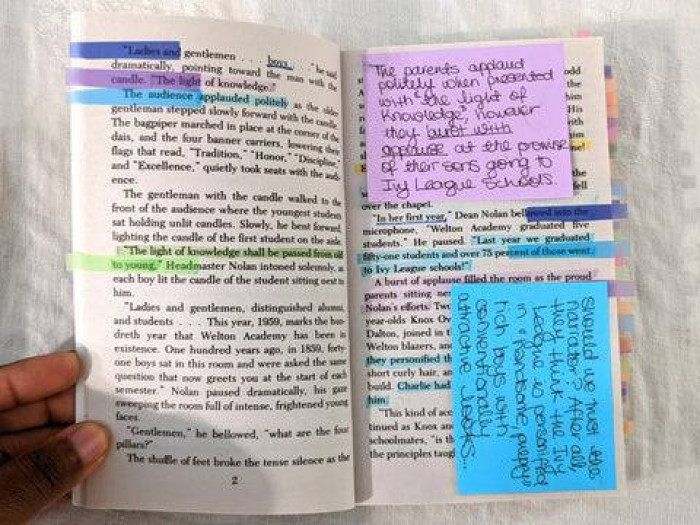
Every strong writer is first a reader. Reading teaches you things that no writing guide can explain directly. Sentence rhythm, pacing, tone shifts, and structure are absorbed through exposure. When you read regularly, your mind builds an internal library of patterns that later surface when you write.
This does not mean reading anything at random. Read material similar to what you want to write. If you want to write clear informational articles, read good journalism and explainers. If you want to write persuasive copy, read opinion pieces and long-form essays. Notice how writers open their pieces, how they transition between ideas, and how they conclude without sounding repetitive.
Passive reading is helpful, but active reading is better. Pause occasionally and ask why a paragraph worked. Was it the simplicity? The example used? The sentence length? Over time, these observations turn into instinct.
2. Remove Unnecessary Words Aggressively
Strong writing is often shorter than the first draft suggests. Extra words dilute meaning and slow the reader down. Cutting words is not about making writing robotic. It is about respecting the reader’s attention.
Look for common patterns of excess. Phrases like “in order to,” “it is important to note that,” or “due to the fact that” usually add nothing. Replacing them with simpler alternatives tightens the text immediately.
Editing is not punishment for bad writing. It is where writing becomes effective. Many experienced writers spend more time editing than drafting. Treat cutting as refinement, not loss.
3. Write Every Day, Even If It Is Short
Consistency matters more than intensity. Writing once a week for three hours feels productive, but it does not train your mind the same way daily writing does. Writing every day keeps your thoughts flexible and lowers resistance to starting.
Daily writing does not require publishing or perfection. It can be a paragraph, a rough note, or a draft that never sees the light of day. The goal is to stay in contact with the act of forming ideas into words. This regular contact reduces hesitation and makes writing feel normal instead of intimidating.
Many writers wait for the right mood or inspiration. In practice, writing often creates motivation rather than the other way around. Starting small keeps the habit sustainable.
4. Understand Who You Are Writing For
Writing without a clear audience leads to confusion. You may overexplain basic ideas or skip important context. Before writing, decide who the reader is and what they already know.
A beginner audience needs definitions, examples, and reassurance. An experienced audience wants efficiency and depth. Writing improves when you tailor your explanations accordingly.
This does not mean limiting your content. It means shaping it. One of the biggest differences between amateur and professional writing is audience awareness. The more clearly you picture the reader, the more natural your writing becomes.
5. Start Writing Before You Feel Ready
Many people struggle with writing because they wait for confidence. They want the opening sentence to be perfect before they continue. This leads to long delays and unfinished drafts.
Good writing almost never starts perfect. The first draft exists to capture ideas, not to impress. Starting early allows you to discover what you actually want to say. You can refine structure and tone later.
Momentum is more valuable than precision at the beginning. Write first, judge later. Separating creation from evaluation reduces mental friction.
6. Focus on Clarity Before Style
Clarity is the foundation of good writing. Style comes later. Many writers make the mistake of trying to sound impressive too early. This leads to long sentences, unnecessary vocabulary, and unclear arguments.
A useful rule is to imagine your reader is intelligent but busy. They do not want to decode what you mean. They want to understand it quickly. If a sentence forces the reader to reread it, clarity has failed.
Before worrying about tone or elegance, ask simple questions. What am I trying to say here? Is there a simpler way to say it? Would someone unfamiliar with the topic understand this paragraph? Clear writing builds trust and keeps readers engaged.
7. Study Simple Writing, Not Just Impressive Writing
Complex writing often looks intelligent but communicates poorly. Simple writing is harder to produce because it requires clear thinking. Studying writers who explain difficult topics in plain language is one of the fastest ways to improve.
Notice how these writers break ideas into steps, avoid unnecessary jargon, and use everyday examples. Simplicity does not mean shallow. It means accessible.
When revising your own work, aim to reduce complexity without losing meaning. If a sentence can be simpler, it usually should be.
8. Use Concrete Examples to Anchor Ideas
Abstract explanations are harder to remember. Examples turn vague ideas into something tangible. A single well-chosen example can clarify an entire paragraph.
If you explain a concept and it still feels distant, add a short scenario or analogy. This helps readers connect new information to something familiar.
Examples are especially important when writing instructional or analytical content. They prevent misinterpretation and improve retention.
9. Read Your Writing Out Loud
Your ears catch problems your eyes miss. Reading aloud forces you to experience your writing the way a reader would. Awkward phrasing, overly long sentences, and unnatural transitions become obvious.
If you run out of breath while reading a sentence, it is probably too long. If you stumble over a phrase, it likely needs rewriting. This method also helps identify rhythm issues. Good writing flows naturally when spoken.
You do not need to read everything aloud, but doing it for key sections can dramatically improve quality with little effort.

10. Edit in Separate Passes
Trying to fix everything at once leads to frustration. Editing is easier when divided into stages. First, focus on structure and flow. Do ideas appear in a logical order? Are transitions smooth?
Next, focus on clarity. Simplify sentences and remove ambiguity. Finally, correct grammar, spelling, and formatting issues.
This layered approach makes editing manageable and more effective. Each pass has a clear purpose, which reduces overwhelm.
11. Seek Feedback and Use It Wisely
Feedback reveals blind spots. Other readers notice confusion, repetition, or gaps you might overlook. Ask for feedback from people who understand your goal and audience.
Be specific when requesting feedback. Ask whether something felt unclear or unnecessary. Not all feedback should be followed, but patterns are important. If multiple people highlight the same issue, it is worth addressing.
Using feedback does not mean losing your voice. It means refining how effectively that voice communicates.
12. Accept That Bad Drafts Are Part of the Process
Every writer produces bad drafts. The difference between improving writers and stuck writers is tolerance for imperfection. Bad drafts are not failures. They are raw material.
Expecting high quality immediately creates pressure that blocks progress. Writing improves through revision, not through flawless first attempts.
Viewing drafts as temporary allows you to experiment and explore ideas freely. Improvement happens during rewriting.

Building Writing as a Long-Term Skill
Improving your writing is not about quick tricks or shortcuts. It is about building habits that support clear thinking and effective communication. Reading regularly, writing consistently, editing deliberately, and accepting imperfection form the core of sustainable improvement.
Writing reflects how you think. As your thinking becomes clearer, your writing follows. The twelve tips above are not rules to memorize, but practices to return to. Over time, they become automatic.
Good writing is not loud. It is not complicated. It is useful, understandable, and intentional. Focus on those qualities, and improvement will come naturally.










Comments