
Freelancing feels empowering; you choose your clients, you control your schedule, and you build a portfolio on platforms like WritingManager that reflects your talent. But along with all that flexibility comes a reality most writers don’t talk about: legal blind spots.
From unclear contracts to missing copyright terms to late payments, these issues creep in quietly until they suddenly become big problems. And that’s exactly why understanding a few basic legal safeguards isn’t just “nice to have”… it’s the backbone of a sustainable writing career.
With that in mind, let’s walk through the five essentials every writer should know, and you’ll see how each one naturally leads to the next.
1. Start Every Project With a Clear, Written Agreement
Even if your client seems friendly and “super chill”, things can turn complicated when expectations aren’t written down. A simple written agreement, even if it’s just an email summary, protects you from misunderstandings.
Your contract should clarify:
- What you’re writing
- Word count and research level
- Delivery timeline
- Payment schedule
- Revision limits
- What rights does the client get
When these points are clear, the entire project becomes smoother.
And that brings us directly to the next thing writers often overlook: copyright.
Understand Who Owns the Copyright to Your Work
Here’s something many new writers don’t realize:
The moment you create content, you automatically own the copyright, unless you give it away.
Clients commonly ask for:
- Full copyright transfer (they own it forever), or
- A usage license (you still own it, but they can publish it)
The problem?
Writers often sign away rights without knowing what they’re giving up.
This is why you must match your contract terms with your copyright intent.
If you want the freedom to repurpose content later (like turning ideas into a blog post or ebook), you need licensing terms that allow it.
And once you understand rights, the next big issue is how you’ll be paid for the work you own.
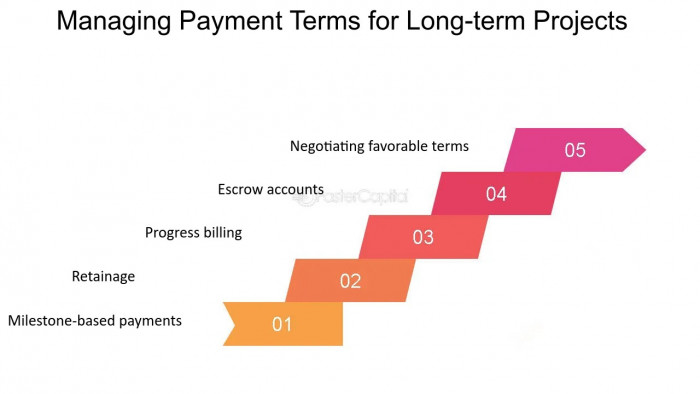
Protect Yourself With Clear Payment Milestones
Every writer has one nightmare story:
You submit the work… the client goes silent… payment never arrives.
To avoid this:
- Split payments into milestones (e.g., 30% upfront)
- Clarify what counts as “submission.”
- Decide how many revisions are included
- Use written invoices and email confirmations
This structure reduces risk and makes both sides feel secure.
And once money is settled, the next safeguard becomes even more important: keeping your content legally clean.
4. Avoid Legal Trouble: Plagiarism, Defamation & Compliance Risks
Writers juggle multiple projects, research sources, quotes, and reviews, which means mistakes can happen unintentionally.
To protect yourself:
- Always cite sources properly
- Rephrase instead of copying
- Clearly label opinions vs. facts (especially in reviews)
- Stay careful while writing about regulated topics like finance, law, and health
Clients should also take responsibility for claims they ask you to include.
This is why adding a simple clause like “client is responsible for factual accuracy” protects you from liability.
And now that we’ve covered how to stay on the right side of the law, there’s one final step: keeping track of everything.
5. Maintain a Record of Your Work, Contracts & Rights
Think of this as your personal legal shield.
Keep:
- Copies of every draft
- Final versions
- Signed agreements
- Payment receipts
- Chat/email history
- Notes on what rights were transferred
Your WritingManager portfolio also acts as a timestamped record, a digital proof that reflects your authorship and professional journey.
And once you start storing everything properly, you naturally strengthen every safeguard mentioned above, because now you have evidence to support your rights, your work, and your value.
Conclusion
Freelancing is creative, fulfilling, and flexible, but it’s also a real business. And like any business, it needs protection.
With clear contracts, defined copyrights, structured payments, responsible writing practices, and good documentation, you’ll not only avoid legal headaches… you’ll build a writing career that’s strong, respected, and future-proof.
If you treat legal awareness as part of your writing workflow, you won’t just write better content, you’ll work with more confidence, negotiate with clarity, and grow like a true professional.










Comments