
The word Lumon has quietly become one of those terms that sparks curiosity the moment you see it. It appears in pop culture discussions, SEO keyword research tools, branding analyses, and even philosophical debates online. Yet despite its growing visibility, many people struggle to find a clear, reliable explanation of what Lumon actually means.
This guide breaks it down fully, not just the definition, but the origins, symbolism, cultural relevance, psychological undertones, and modern interpretations of the term. If you’re researching Lumon's meaning for content, branding, or pure curiosity, this article gives you the complete picture.
What Does Lumon Mean?
At its most basic level, Lumon is a constructed or symbolic term, not a formally recognized English dictionary word.
It does not have a single fixed definition like common nouns do. Instead, its meaning depends on context, usage, and cultural reference. Broadly, Lumon is associated with:
- Light, clarity, and illumination (linguistic roots)
- Control, structure, and order (symbolic usage)
- Corporate identity and system-driven environments (pop culture)
- Modern, futuristic, or sterile branding aesthetics
- Because of this flexibility, Lumon functions more like a conceptual name than a literal word.
Linguistic Roots: Where the Name Lumon Comes From
Although Lumon itself isn’t found in standard dictionaries, its linguistic foundation is fairly clear.
1. Latin Influence: Lumen
The closest recognized root is the Latin word lumen, which means:
● Light
● Brightness
● An opening or inner space (especially in anatomy or physics)
From lumen, we get modern words such as illuminate, luminescence, and luminary. These words consistently point toward visibility, knowledge, and exposure.
2. Modern Naming Convention: The “-on” Ending
The “-on” suffix is commonly used in:
● Technology brands
● Sci-fi terminology
● Corporate or experimental naming
It often gives words a futuristic, mechanical, or impersonal tone, which is why it’s frequently used in fictional corporations or advanced systems.
When combined, Lumen + on evolves into Lumon a word that feels purposeful, controlled, and modern, even without a formal dictionary entry.
Why Lumon Became Popular: Pop Culture Influence
The biggest reason for the surge in searches around Lumon's meaning is its central role in the Apple TV+ series Severance.
Lumon in Severance
In the show, Lumon Industries is a powerful, secretive corporation that enforces a radical workplace procedure called “severance,” which separates an employee’s work memories from their personal life.
Within this context, Lumon symbolizes:
- Extreme corporate control
- Loss of personal identity
- Artificial order masked as efficiency
- Institutional authority disguised as benevolence
- This portrayal deeply influenced how people now interpret the word online.
Today, when someone refers to a “Lumon-like workplace,” they usually mean an environment that feels:
1. Emotionless
2. Over-structured
3. Monitored or controlled
4. Dehumanizing beneath a polished exterior
Symbolic Meaning of Lumon
Beyond entertainment, Lumon carries strong symbolic weight, which is why it resonates so widely.
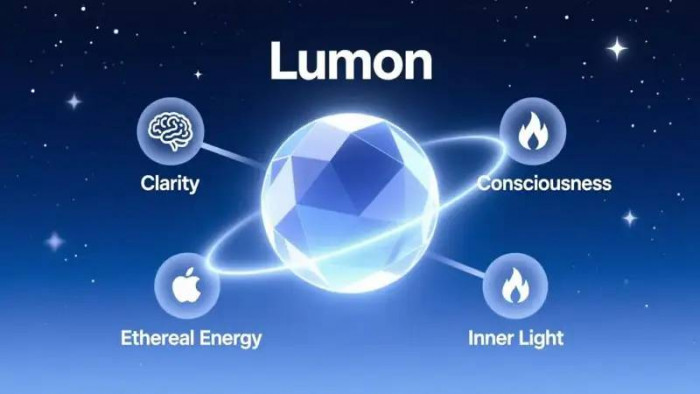
1. Light vs Control Paradox
Ironically, while its root suggests light and clarity, its modern usage often represents the opposite:
1. Suppressed truth
2. Artificial transparency
3. Controlled information flow
This contradiction is what makes the word so powerful. Lumon sounds enlightening, but often represents manufactured order rather than genuine freedom.
2. Corporate Minimalism and Sterility
The name Lumon fits perfectly into modern branding trends that favor:
1. Clean aesthetics
2. Neutral tones
3. Minimal emotional expression
4. Authority through structure
This makes it especially appealing for fictional corporations, tech narratives, and dystopian storytelling.
Is Lumon a Real Word?
Short answer: No, but that’s exactly why it works.
Lumon is best described as a neologism (a newly created or repurposed word). These types of words are commonly used when creators want:
1. Flexibility of meaning
2. Emotional neutrality
3. Strong symbolic interpretation
4. Avoidance of real-world baggage
5. Many modern brand names and fictional terms work the same way.
How Lumon Is Used Today
1. In Online Language & Commentary
People increasingly use Lumon metaphorically to describe:
1. Over-regulated companies
2. Emotionless corporate cultures
3. Systems that prioritize output over humanity
2. In Branding & Naming Analysis
From an SEO and branding perspective, Lumon is interesting because it:
1. Feels authoritative without being aggressive
2. Sounds modern but not trendy
3. Avoids cultural or linguistic bias
4. That’s why similar names are often explored in branding discussions.
3. In Creative Writing & Storytelling
Writers use Lumon-style names when they want to convey:
1. Institutional dominance
2. Controlled environments
3. Psychological distance
4. Moral ambiguity
Psychological Interpretation of Lumon
From a psychological standpoint, Lumon taps into modern anxieties about:
1. Work-life imbalance
2. Loss of individuality
3. Surveillance culture
4. Corporate overreach
The word’s neutral tone mirrors how control often operates quietly, not through force, but through systems.
Common Questions About Lumon
Q1. Does Lumon have a positive meaning?
It can, linguistically, suggest light and clarity. But culturally, it often carries neutral to negative undertones, especially in corporate or dystopian contexts.
Q2. Can I use Lumon in my content or brand name?
Yes, but context is essential. Because it lacks a formal definition, you should clearly establish what it represents in your usage.
Q3. Is Lumon slang?
Not exactly. It’s better described as a symbolic or referential term, not casual slang.
Q4. Why do people search for Lumon's meaning so often?
Because it appears familiar yet undefined, which naturally triggers curiosity and search intent.








Comments