
For most people, the law becomes visible only when something goes wrong. A legal notice appears, a contract feels one-sided, a family matter turns into a dispute, or a business promise is broken. In these moments, the legal system can feel cold, confusing, and overwhelming as if it exists only for professionals, not for ordinary people trying to protect their future.
But the truth is simple: the law exists for you.
It is designed to protect your rights, your property, your dignity, and your choices. When you understand how to use it wisely, legal clarity becomes a powerful life skill, one that helps you make confident decisions instead of fearful ones.
Your Rights Are the Foundation of Your Security
Every person is protected by basic legal rights. These rights are not favors; they are guarantees. They include the right to fair treatment, the right to privacy, the right to own and protect property, the right to work safely, the right to seek justice, and the right to be heard.
Yet, many people unknowingly give up these protections. They sign documents without reading carefully. They accept unfair terms because they feel pressured. They ignore notices because they feel afraid. When this happens, rights slowly disappear not because the law failed, but because awareness was missing.
Understanding your rights gives you power without aggression. It allows you to question unfair demands, demand transparency, and make decisions that protect your future instead of risking it.
Smart Legal Decisions Begin Before Trouble Starts
Most legal problems do not begin with a lawsuit, they begin with a small mistake.
A verbal agreement.
An unclear contract.
A missed deadline.
An assumption that someone will “do the right thing.”
Smart legal thinking is not reactive. It is preventive.
It asks:
● What could go wrong?
● What am I legally responsible for?
● What rights am I giving up?
The smartest legal decision is not winning a case, it is never needing one.
Legal Advice Is Not Information: It Is Protection
Many people confuse legal information with legal advice. Online articles explain laws in general terms, but they cannot tell you how those laws apply to your specific situation.
Legal advice is personal. It considers your documents, risks, goals, and consequences. A qualified lawyer does not just explain the law, they show you how to use it to protect yourself.
This is what turns fear into clarity.
Confidentiality Makes Honesty Possible
The legal system protects your privacy when you speak to a lawyer. This confidentiality allows you to speak openly, even about sensitive or difficult situations. Without honesty, real protection is impossible. With it, your lawyer becomes your strongest ally.
How Legal Guidance Helps You Make Smarter Choices
Some legal guidance is preventive. It helps you avoid problems before they happen. This includes reviewing contracts, ensuring business compliance, planning taxes, protecting creative work, or verifying property ownership. These steps may seem small, but they protect you from future disputes, financial loss, and regret.
Other legal guidance supports important decisions. Buying property, starting a company, entering a partnership, or making investments all carry legal consequences. Transactional legal advice ensures that your agreements are clear, fair, and enforceable, so you do not discover hidden risks later.
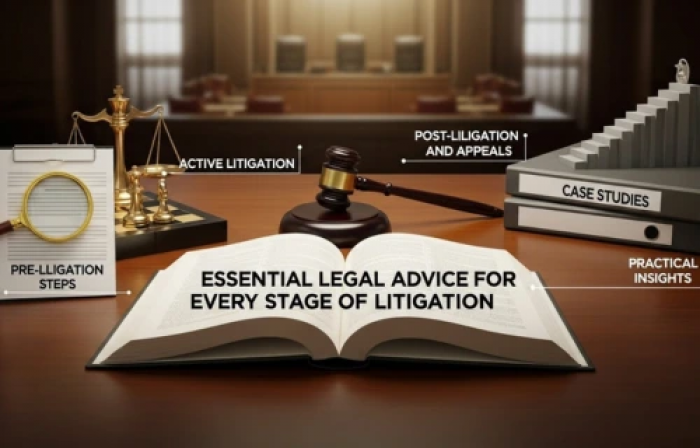
Then there are times when conflict already exists. Litigation-related guidance helps you understand your legal position, prepare your case, negotiate settlements, and, if necessary, defend yourself in court. A lawyer helps you choose the smartest path forward rather than reacting emotionally.
Why Specialized Legal Support Matters
Not all legal problems follow the same rules, and not all lawyers handle the same kind of cases. Law is divided into many branches, each with its own procedures, risks, and protections. A family dispute does not follow the same legal path as a cybercrime case, just as a property conflict is very different from a workplace issue.
When you choose a lawyer who specializes in your specific concern, you gain access to deeper knowledge, practical experience, and faster solutions. These professionals understand common mistakes, court expectations, and real-world outcomes within their field. Whether your matter involves marriage and inheritance, criminal accusations, employment disputes, business contracts, immigration documents, digital privacy, or tax regulations, the right specialist ensures your case is handled with clarity and confidence rather than guesswork.
Knowing When to Seek Help Can Change Everything
Many people delay legal advice because they hope a problem will resolve itself. Unfortunately, legal issues rarely disappear on their own. Instead, they grow silently until deadlines pass, evidence is lost, or the situation becomes harder to fix.
You should consider legal guidance whenever your money, property, job, family, or reputation is at risk. If you receive a legal notice, feel pressured to sign an agreement, face threats of a lawsuit, or simply feel uncertain about your responsibilities, it is time to speak with a professional. Early guidance often prevents long-term damage, saves legal costs, and protects your peace of mind.
Who Can Provide Legal Advice
Only licensed attorneys are legally allowed to give personalized legal advice. They are trained to interpret laws, analyze your situation, and guide you based on your rights and obligations. Their professional responsibility ensures that the guidance you receive is reliable and legally valid.
If you cannot afford a private lawyer, legal aid clinics, nonprofit organizations, and pro bono services offer free or low-cost assistance. Many verified online legal platforms also connect you with licensed attorneys through calls or virtual consultations. While paralegals and legal assistants can help with paperwork and research, they cannot legally advise you on what actions to take.
Preparing for a Legal Consultation
A successful legal consultation begins before you meet the lawyer. Writing down the key events, dates, names, and concerns helps you explain your situation clearly. Gathering all related documents, such as contracts, emails, receipts, notices, or messages, gives the lawyer a full picture of your case.
It also helps to prepare a few questions about your options, possible risks, timelines, and costs. When you enter the meeting organized and honest, the advice you receive will be more accurate, practical, and useful.
Understanding Legal Costs
Legal fees vary depending on the type of case, the complexity of the issue, and the experience of the lawyer. Some attorneys charge by the hour, while others offer flat fees for specific services. In some cases, such as injury claims, lawyers may work on a contingency basis and get paid only if you win.
Community legal clinics, nonprofit organizations, and legal aid programs also provide affordable or free services to those who qualify. Understanding these options allows you to seek help without fear of unexpected costs.
Why Documentation Matters
Legal cases are built on facts, and facts are proven through documents. Clear, organized records help your lawyer understand your situation quickly and accurately. Contracts, emails, payment receipts, notices, court papers, and written communication form the foundation of any legal claim or defense.
Without proper documentation, even a strong case can weaken. Keeping records safely and updating them regularly protects your interests and strengthens your legal position.
Independent Legal Advice
Independent Legal Advice is a formal process where a neutral lawyer explains the meaning, risks, and consequences of an agreement before you sign. It ensures that you are not pressured, misled, or confused about your obligations.
This type of advice is often required for high-risk agreements, such as property transfers, financial guarantees, business contracts, or separation settlements. It protects your rights and reduces the chance of future disputes.
Final Reflection
Legal knowledge does not make life complicated, it makes life safer. When you understand your rights, responsibilities, and options, you gain control over your decisions. Instead of reacting in fear, you respond with clarity.
No matter the size of your legal concern, staying informed and seeking guidance early can protect your future. Legal awareness is not just protection, it is empowerment.









Comments