
The term Ketchum carries a layered history that stretches from medieval English occupations to modern pop culture. Although many people recognize the name through Ash Ketchum from Pokémon, the word itself existed centuries earlier and reflected traits related to skill, speed, and the act of catching. Exploring the ketchum meaning provides insight into linguistic evolution, migration patterns, cultural reinterpretation, and how an old surname became globally iconic.
Where the Name Ketchum Comes From
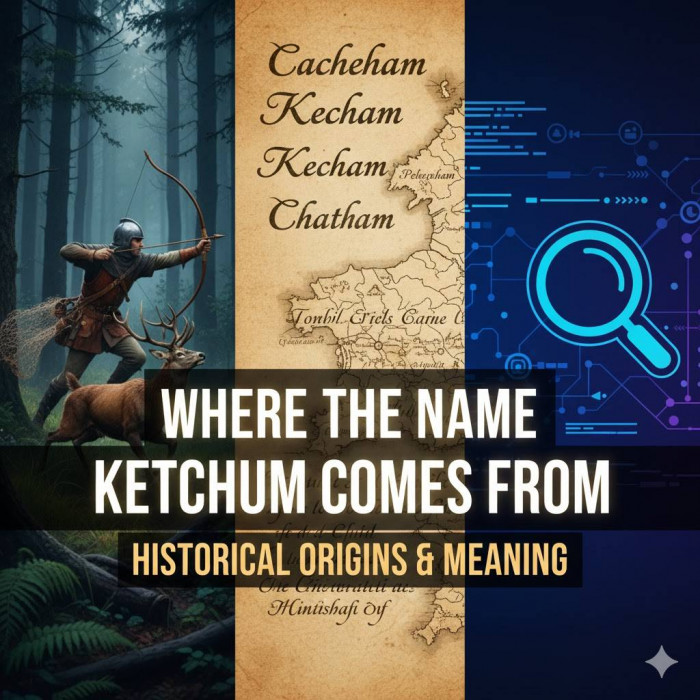
Historically, the ketchum meaning is rooted in Middle English, specifically the verb kechen, which meant to catch. This origin suggests that the earliest holders of the name were associated with roles that required capturing or gathering. These could include hunters, bird catchers, or even people who were simply known for being quick or hard to catch.
Some scholars propose alternate origins connected to Old English place names. Terms like Cacheham, Kecham, or Chatham share elements such as cæcc for enclosure and ham for homestead. Records from the Pipe Rolls of Lincolnshire in 1176 and the Hundred Rolls of 1273 show early forms like William de Cacheham and Roger de Kecham, indicating that the surname shifted across regions and dialects.
Although there are several theories, the strongest linguistic evidence continues to support the idea that Ketchum describes a person associated with catching or skillful pursuit.
How the Name Developed Over Time

As spelling was not standardized in medieval England, many versions of the name appeared. Forms such as Ketcham, Kitchen, Kitchin, Kitching, and Kitchener emerged as the surname moved through Yorkshire, Lancashire, Devon, and surrounding areas. These variations later traveled across the Atlantic during the migration of Puritan settlers in the early seventeenth century.
The surname gained particular visibility in colonial America through settlers like Edward Ketcham, whose descendants spread across New York, Massachusetts, and Connecticut. Over generations, the name stabilized into the modern spelling Ketchum, although regional variants still survive.
Modern Meaning and Cultural Recognition
While the historical meaning relates to catching or speed, contemporary recognition of Ketchum has expanded into several unrelated spheres.
1. Pop culture influence

The most visible modern use is the character Ash Ketchum from the Pokémon series. His name reinforces the franchise motto Gotta catch them all, turning the old surname into a direct linguistic nod to the act of catching creatures. This choice helped introduce the name to millions of younger viewers around the world. It also influenced online discussions about whether the name references western outlaws like Tom Ketchum, though this connection is speculative.
2. Geographic significance

The name also appears in places such as Ketchum, Idaho, a city known for outdoor recreation and cultural events. Here, the name has no linguistic connection to catching but maintains historical ties through settlers and early local families.
3. Military history
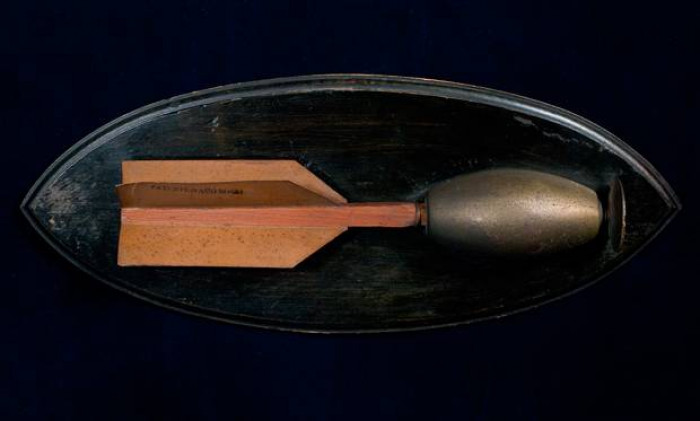
The term appears in the nineteenth century as the Ketchum Grenade, a distinctive throwing device used during the American Civil War. Its unique design added another unexpected layer to the modern presence of the name.
4. Corporate identity

There is also a global public relations firm called Ketchum, although the company name is tied to individuals rather than to the Old English meaning.
Table: How the Meaning of Ketchum Shifts Across Contexts
| Context | Meaning or Association | Notes |
| Historical surname | Linked to catching, hunting, nimbleness | Based on Middle English kechen |
| Place name | City in Idaho | Connected to family settlement, not etymology |
| Pokémon franchise | Symbol of catching creatures | Reinforces brand identity |
| Military term | Civil War grenade | Named after inventor William F. Ketchum |
| Modern companies | Branding based on family surname | No link to original meaning |
Why the Word Still Attracts Interest
Interest in the ketchum meaning comes from two very different audiences. Genealogy researchers are drawn to its medieval origins and migration history, while pop culture fans are curious because of its link to Pokémon. This combination of old world etymology and modern storytelling gives the name longevity that many other surnames do not have.
The word holds symbolic appeal as well. Because it relates to pursuit and capture, people often associate it with ambition, persistence, and skill. These ideas continue to shape how the name appears in entertainment, branding, and online discussions.
Conclusion
The ketchum meaning began with a simple idea connected to catching and skill, yet over centuries it grew into a name with rich historical depth and global cultural presence. From medieval occupational roots to fictional heroes and modern businesses, the term reflects both linguistic evolution and imaginative reinterpretation. Understanding its journey helps reveal how a single surname can shift across time, geography, and culture while still carrying a recognizable core identity.








Comments