
Introduction
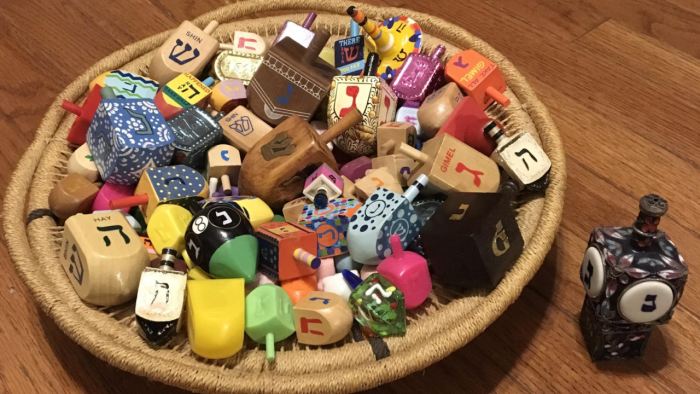
Type “play dreidel” or just “dreidel” into Google around Hanukkah, and something quietly delightful happens: a tiny, four‑sided spinning top appears at the top of your search results, ready to spin at a click or tap. No download, no sign‑up—just a centuries‑old Jewish game, reimagined inside the world’s most‑used search engine.
This is “Google Dreidel”: part cultural homage, part casual game, part Easter egg. To understand why it exists—and why it matters—you have to start with the dreidel itself.
My Personal Experience With “Google Dreidel”
I first came across Google Dreidel almost by accident. It was Hanukkah season, and I did what many of us do when curiosity strikes: I typed a simple holiday-related term into Google. Instead of just links, I was greeted with something playful—a digital dreidel that invited me to spin it right there on the screen. What started as a few seconds of curiosity turned into a surprisingly thoughtful experience, blending tradition, design, and technology in a way that felt very human.
What Is a Dreidel, Really?
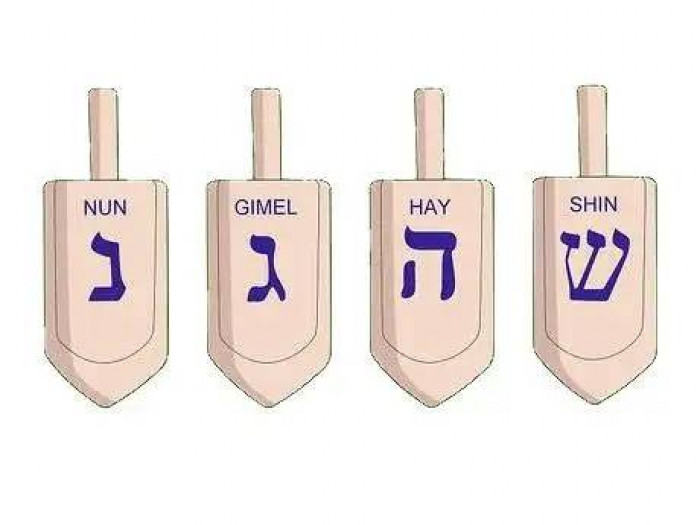
At its core, a dreidel is a four‑sided spinning top played during the Jewish festival of Hanukkah. Each side has a Hebrew letter:
● נ (Nun)
● ג (Gimel)
● ה (Hei / Hay)
● ש (Shin) – or פ (Pe) on Israeli dreidels
These letters form an acronym for the phrase “Nes Gadol Haya Sham” – “A great miracle happened there”, referring to the Hanukkah story and the miracle of the oil that burned eight days instead of one.
In Israel, the last letter is often פ (Pe) instead of ש (Shin), changing the phrase to “Nes Gadol Haya Po” – “A great miracle happened here”, because the events of Hanukkah took place in the Land of Israel.
On the surface, the dreidel is “just” a toy. But it sits at the intersection of gambling culture, religious memory, and folklore.
The Origins: From European Gambling Toy to Hanukkah Icon
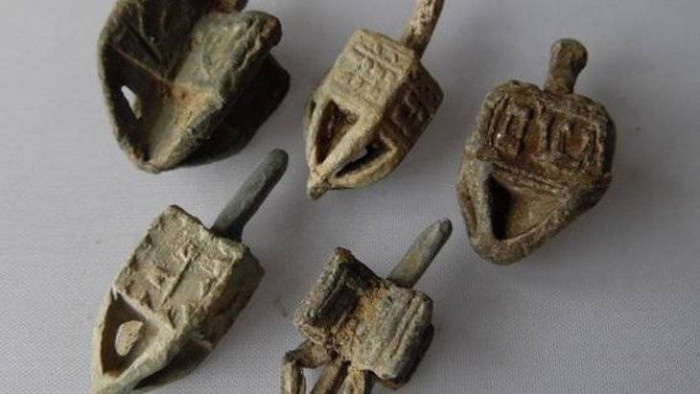
Historically, most scholars agree on one uncomfortable truth for purists: the dreidel is not originally a Jewish invention. It’s a Jewish adaptation of a European gambling toy called the “teetotum”.
● The teetotum was a popular spinning top used in gambling games across Europe, especially in German‑ and English‑speaking lands.
● Its four sides were often marked with letters corresponding to instructions like:
● N = nichts / nothing
● G = ganz / all
● H = halb / half
● S = stell ein / put in
Jewish communities in German‑speaking Europe are believed to have borrowed this game and substituted the Latin letters with Hebrew ones that produced similar sounds: nun, gimel, hei, shin. Over time, a pious reinterpretation emerged: those same letters were said to stand for “Nes Gadol Haya Sham”.
There is also a popular legend you’ll still hear at many Hanukkah tables: during the time of King Antiochus, when Torah study was banned, Jewish children supposedly kept spinning tops nearby. If soldiers came, they hid their books and pretended they were just gambling innocently.
It’s a powerful story—but historians point out that there is no evidence for this in ancient sources, and the first explicit mention of a dreidel in a Jewish context appears only in the 18th century. The “secret study” tale is best understood as later folklore that gives spiritual meaning to a game Jews adopted from surrounding culture.
That duality—playful gambling toy plus spiritual reinterpretation—is exactly what makes the transition to a digital, Google‑powered dreidel so interesting.
How the Traditional Dreidel Game Works
Whether you spin a physical top or Google’s virtual one, the underlying game is the same.
Setup
Most guides suggest:
● 2 or more players
● Each player starts with 10–15 “tokens” – often chocolate coins (gelt), nuts, candies, or small coins.
● Everyone puts 1 or 2 tokens into a central pot at the start.
The Letters and Their Meaning
The letters don’t just spell a phrase; they double as instructions for gameplay, rooted in Yiddish words:
| Letter | Pronunciation | Phrase (Yiddish) | Action in the Game |
| נ | Nun | “nisht” (nothing) | Do nothing |
| ג | Gimel | “gantz” (whole) | Take the entire pot |
| ה | Hei / Hay | “halb” (half) | Take half the pot (round up if odd) |
| ש / פ | Shin / Pe | “shtel arayn” / “put in” | Put one token into the pot |
On your turn, you spin. When the dreidel stops, the letter on top tells you what to do. Then play passes to the next person. The goal is simple: don’t run out of tokens. Whoever has tokens when others are out is usually considered the winner.
This mix of small stakes, luck, and ritual has made dreidel a go‑to Hanukkah game for generations of children.
Google Dreidel: Tradition Meets Technology
Fast forward to 2011. Google released a special "Doodle"—a digital game hidden in their search results—allowing users to spin a virtual dreidel online.
The mechanics are simple: Search for "play dreidel" or just "dreidel" on Google, and an interactive widget appears at the top of your search results. Click or tap the spinning top, and it rotates before landing on one of the four Hebrew letters. The digital version doesn't track tokens or enforce game rules—it's purely a nostalgic spinner, a tiny moment of cultural acknowledgment built into the world's most-used search engine.
Why did Google do this? The company rarely explains individual Easter eggs, but the pattern is clear when you look at their broader behavior. Over the years, Google moved from simply decorating their logo for holidays to embedding interactive mini-games directly into search results. The dreidel fits perfectly into this philosophy—it's a small, discoverable cultural gesture that requires almost no explanation.
For many users, especially Jewish families or classroom teachers, it serves a practical function: when you don't have a physical dreidel handy, you have one at your fingertips. For others, stumbling upon the widget becomes a prompt to learn more—"What do these letters mean? Why Hanukkah? How do you play?"
Google's approach is deliberately spare, different from the fuller implementation you'll find on Google Play, where dedicated dreidel apps offer complete rule systems, token tracking, animations, and sometimes educational overlays explaining the game's history and cultural significance.
More Than Just a Game
Today, dreidel has evolved beyond a simple children's game. In 2007, Major League Dreidel (MLD) launched in New York City as a tongue-in-cheek competitive tournament where winners are determined by the longest spin time. Surprisingly, it's become a real phenomenon, with MLD tournaments held annually during Hanukkah.
The game has also inspired modern variations. ModernTribe created "No Limit Texas Dreidel," a hybrid between traditional dreidel and poker. Other games like "Staccabees" and "Maccabees" have emerged, each putting new twists on the classic format.
Dreidels have also become serious collectibles. Institutions like the Spertus Institute for Jewish Learning and Leadership, Yeshiva University Museum, and Temple Emanu-El in New York all maintain dreidel collections. In 2019, Estate Diamond Jewelry achieved the Guinness World Record for the most valuable dreidel at $70,000, with a design inspired by the Chrysler Building in New York. Antique dreidels from different cultures and eras—made from wood, silver, brass, even rare ivory—command increasing prices among collectors.
Why This Matters
The dreidel's journey from European gambling toy to digital experience perfectly illustrates how traditions evolve. It's not a betrayal of authenticity to acknowledge that cultural practices borrow, adapt, and transform over time. The dreidel gains its power not from ancient origins but from what Jewish communities made it mean: a symbol of cultural identity, resilience, and continuity.
Google's decision to code a dreidel into their search engine—to make it discoverable, available, and playable without barriers—reflects something important about how technology can honor culture. The game is simultaneously ancient in its spiritual significance and modern in its delivery. You can spin it on your phone while sitting in Delhi or Dubai or Dublin, and it connects you to the same tradition celebrated in homes and synagogues around the world.
The dreidel reminds us that cultural traditions aren't static museum pieces. They're living practices that migrate, adapt, and find new meaning in each generation. The spinning top that came from Europe, gained Hebrew letters, accumulated spiritual meaning, and is now available with a single search query—that's the dreidel story. And it's still spinning.









Comments