
The home warranty industry battles a constant trust problem: complex contracts, mixed reviews, and confused homeowners trying to understand what is and isn’t covered. In this context, Choice Home Warranty’s partnership with heavyweight boxing legend George Foreman is more than a flashy marketing play, it’s a strategic attempt to borrow credibility and warmth in a space where skepticism runs high.
This article looks at the partnership : not just how it works, but whether a celebrity ambassador can genuinely shift trust, transparency, and decision‑making in a notoriously misunderstood category.
The Trust Problem in Choice Home Warranties
Home warranties sit in an awkward space between insurance and maintenance plans. Many homeowners only hear about them when something goes wrong, which means expectations are high and patience is low. Complaints in this niche often revolve around:
- Confusing or poorly understood exclusions and coverage limits
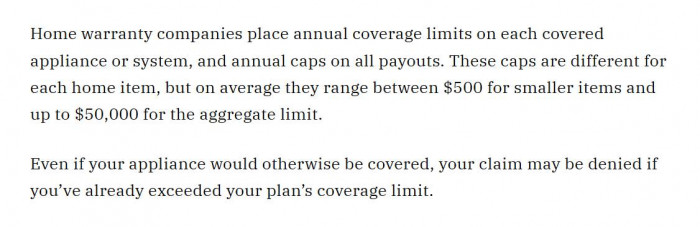
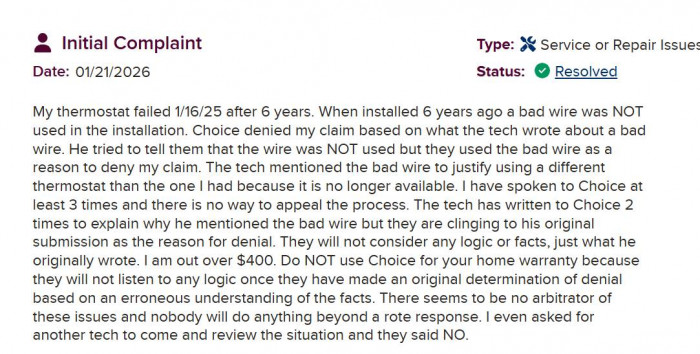
2. Denied claims that feel unfair to customers
3. Delays in service visits or repairs
Because of this, brands in the space face an uphill battle. Even if they operate fairly, the overall category reputation colors consumer perception. That’s where a figure like George Foreman comes in: he’s intended to cut through that skepticism and make the brand feel more human and trustworthy at first glance.
Why Choice Home Warranty Turned to George Foreman
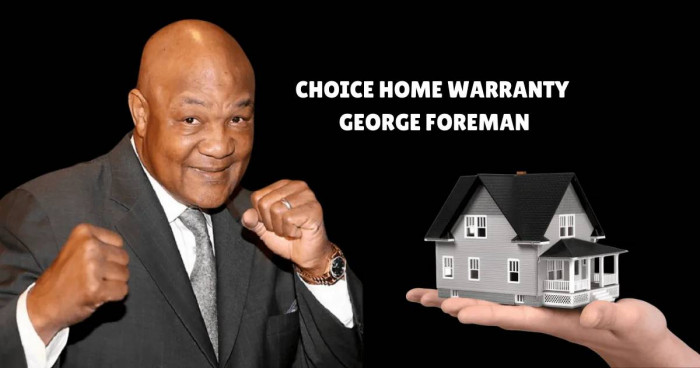
Instead of focusing purely on reach or hype, the Choice Home Warranty–George Foreman partnership is clearly engineered around emotional optics:
- Foreman has a long‑standing reputation as a friendly, trustworthy, almost grandfatherly figure.
- His success as a promoter of the George Foreman Grill positions him as someone who “only backs what works” in the home and kitchen space.
- He appeals to multiple generations like boxing fans, grill buyers, and younger viewers who grew up seeing him as a TV personality rather than just an athlete.
From a brand‑strategy standpoint, the message is simple:
“If someone like George Foreman is willing to stand behind this company, maybe I should trust them too.”
The question is whether that perceived trust translates into informed, positive customer experiences or just more sign‑ups driven by personality rather than full understanding.
The Psychology Behind Celebrity Endorsement in “Boring” Categories
In fashion, sports, or snacks, celebrity endorsements feel natural. In home warranties, they can feel almost disproportionate, why does a service contract need a star? That tension is exactly why this partnership is interesting.
Psychologically, the campaign leans on:
- Halo effect: Positive feelings about Foreman spill over to the brand. If he seems honest and likable, viewers assume the company is too.
- Familiarity bias: People are more likely to respond to an offer presented by a familiar face than a faceless voiceover.
- Authority and experience: Foreman is portrayed as someone who has “seen it all” in life and knows the importance of protecting what matters.
For a product as complex as a home warranty, this can be both powerful and risky. Powerful, because it lowers the emotional barrier to considering the service. Risky, because it may nudge people into signing up before they carefully read and compare the fine print.
How the Campaign Shapes Expectations
The Foreman‑fronted ads and materials often simplify the story to a few key ideas:
- Things will break in your home often at the worst time.
- Repairs and replacements are expensive.
- A home warranty from Choice can help protect your budget from those hits.
This storytelling is persuasive, but it also shapes expectations:
- Homeowners might believe “most” breakdowns will be covered, even when contracts have exclusions and payout caps.
- The presence of a beloved spokesperson can soften the instinct to ask hard questions about limitations, pre‑existing conditions, and claim denials.
- Emotional reassurance (“you’re protected”) can overshadow operational realities (response times, network quality, and claim process).
Where the Partnership Genuinely Adds Value
Despite the risks, the Foreman partnership isn’t just smoke and mirrors. There are genuine value points for consumers when handled responsibly:
1. Increased awareness of the concept: Many homeowners don’t even know what a home warranty is until a big breakdown hits. High‑visibility campaigns introduce the idea early, so people can at least consider it before a crisis.
2. Simplified explanations: By translating complex financial protection into metaphors—punches, hits, knockouts—the ads make a dense concept more understandable. That’s a step in the right direction, especially if backed by clear documentation.
3. Emotional permission to research: When a trusted figure opens the door to a topic, people feel more comfortable exploring it. In the best‑case scenario, Foreman’s presence encourages homeowners to dig deeper, compare plans, and make educated choices.
Where Consumers Need to Be Cautious
From a consumer‑education angle, your piece can also help readers see beyond the charisma and ask the right questions. Some caution points to discuss:
- Don’t equate trust in a person with trust in a contract: Even if George Foreman genuinely likes the product, your home, appliances, and budget are unique. Readers should still compare different warranty providers, read sample contracts, and check what’s excluded.
- Look past the metaphor to the mechanics: The “sucker punch” story makes sense emotionally, but homeowners should still examine:
● Is there a waiting period before coverage kicks in?
● Are older systems treated differently?
● What are the dollar caps per claim or per term?
3. Balance reviews and reputation against ad appeal: Encourage readers to look at multiple data points like customer reviews, complaint patterns, independent comparisons rather than relying solely on the comfort of a familiar face in a commercial.
By weaving these points into your article, you position yourself as a guide who respects the cleverness of the marketing but stands firmly on the side of informed decision‑making.
Lessons for Brands: Beyond the Choice–Foreman Example
This partnership also offers broader lessons for marketers in any “high‑trust, low‑excitement” category.
1. Celebrity Endorsement Should Support, Not Replace, Transparency
A celebrity can open the conversation, but they can’t be a substitute for:
- Clear, jargon‑free policy explanations
- Straightforward comparison charts
- Honest communication about what is not covered
You can stress that long‑term brand health in financial‑type products is earned through consistent delivery and clarity, not just star power.
2. The Best Ambassadors Are Extensions of Your Customer, Not Opposites
Foreman works here because he feels like a relatable homeowner, not an unreachable global superstar. Marketers should ask:
- Would our average customer feel comfortable talking to this person?
- Does this person seem like someone who would realistically use our product?
If the answer is no, the endorsement may feel forced and hollow.
3. Storytelling Is Powerful but Needs Guardrails
Metaphors and emotional hooks are crucial to simplifying complex offerings. However, smart brands set internal guardrails: the story cannot promise what the contract doesn’t deliver.
How Homeowners Can Use This Partnership to Their Advantage
Celebrity campaigns like the Choice Home Warranty–George Foreman partnership don’t have to push you into a quick decision. Instead, think of them as a starting point for research, not the final answer.
1. Use the Ad as an Introduction, Not a Decision: When you see George Foreman talking about surprise repair costs, focus on the problem being raised, not the celebrity. Ask yourself whether a home warranty could realistically help with the age, condition, and repair risks of your home.
2. Ask the Right Questions Before You Call: If you visit the website or request a quote, go in prepared. Key questions include:
- What systems and appliances are covered?
- Are there limits on older equipment?
- What are the coverage caps?
- How much is the service call fee?
- What exclusions apply?
Having these answers helps you stay focused on facts instead of sales talk.
3. Compare More Than One Provider: Don’t stop with the first company you contact. Compare at least two or three providers by looking at coverage details, limits, service fees, and customer reviews. This makes it easier to spot real value.
4. Choose Based on Fit, Not Fame: The best home warranty is the one you understand and can afford, not the one with the most familiar face. If a celebrity ad helps you start researching, that’s useful. The smart move is taking the next steps, comparing options, and choosing what truly fits your home and budget.
Final Verdict: A Strong Hook, But Not a Free Pass
The Choice Home Warranty–George Foreman partnership is a smart, high‑impact way to make a dry, complex product feel relatable and trustworthy to everyday homeowners. It uses Foreman’s credibility and life story to turn the abstract idea of “protection from repair bills” into something simple and emotionally resonant.
But no endorsement, no matter how likable the spokesperson can replace careful reading of coverage, limits, exclusions, and costs. The real value of this campaign is as a starting point: let it introduce you to the concept of a home warranty, then step back, compare multiple providers, and choose based on clarity and fit for your home, not just on the famous face in the ad.








Comments