
SEO content matters more than ever because search engines reward helpful, well-structured, and relevant content. With millions of blog posts published daily, simply “writing well” is no longer enough.
AI tools are changing how content is researched, written, and optimized—making it faster to rank on Google without deep technical knowledge.
This article is for bloggers, marketers, businesses, and content creators who want to use AI to create SEO-friendly content the smart way.
Surfer SEO
1. What it does
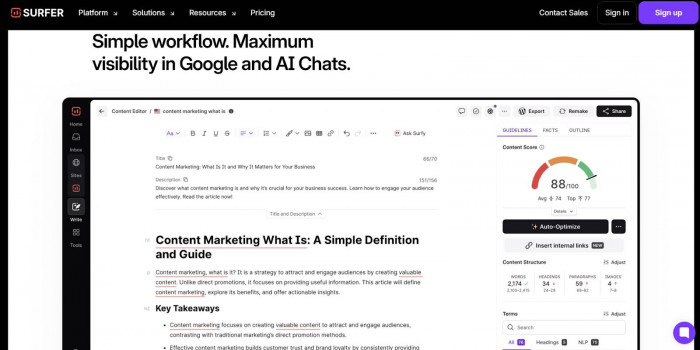
Surfer SEO is an on-page SEO tool that analyzes top-ranking pages and tells you exactly how to optimize your content. Surfer SEO
2. Key SEO features
- Keyword suggestions
- Content editor with SEO score
- SERP (search results) analysis
- Word count, headings, and keyword usage guidance
3. How it helps content rank
Surfer compares your content with top Google results and guides you to match what’s already ranking.
4. Best use cases
- Bloggers
- SEO agencies
- Content teams
- Beginners who want clear guidance
5. Pricing overview
No free plan
Paid plans start around $89/month
6. Pros and cons
Pros
- Easy-to-follow optimization tips
- Real-time SEO scoring
- Strong data-backed recommendations
Cons
- No full free version
- Focuses on optimization, not full writing
Semrush Content AI
1. What it does
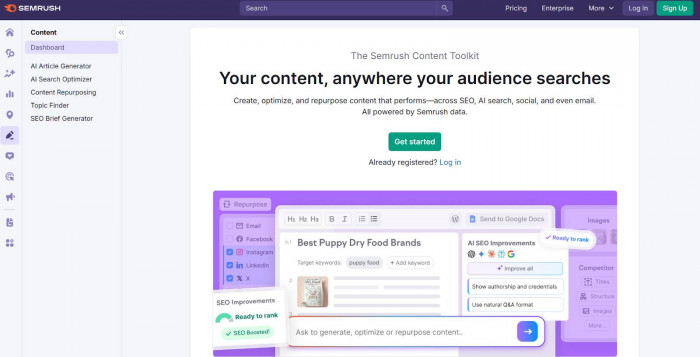
Semrush Content AI helps you plan, write, and optimize SEO content using competitive data. Semrush Content AI
2. Key SEO features
- Keyword research
- SEO content templates
- Readability and tone checks
- Competitive SERP insights
3. How it helps content rank
It uses real keyword and competitor data to guide content creation that matches search intent.
4. Best use cases
- Digital marketers
- Agencies
- Businesses managing multiple websites
5. Pricing overview
Limited free access
Paid plans start around $129/month
6. Pros and cons
Pros
- All-in-one SEO platform
- Trusted keyword data
- Great for long-term SEO strategy
Cons
- Can feel overwhelming for beginners
- Higher price point
Jasper

1. What it does
Jasper is an AI writing assistant focused on creating marketing and blog content quickly. Jasper
2. Key SEO features
- AI-generated blog posts
- SEO-friendly templates
- Brand voice support
- Integrates with SEO tools
3. How it helps content rank
It speeds up content creation while following SEO best practices when paired with optimization tools.
4. Best use cases
- Bloggers
- Content creators
- Marketing teams
5. Pricing overview
No free plan
Paid plans start around $49/month
6. Pros and cons
Pros
- High-quality writing output
- Easy to use
- Saves a lot of time
Cons
- Needs SEO tools alongside it
- Can be costly for solo users
Clearscope
1. What it does
Clearscope helps optimize content by suggesting relevant keywords and topics. Clearscope
2. Key SEO features
- Keyword grading system
- Content relevance scoring
- Competitor comparison
- Google Docs integration
3. How it helps content rank
It ensures your content fully covers what Google expects for a topic.
4. Best use cases
- Professional bloggers
- SEO professionals
- Content agencies
5. Pricing overview
No free plan
Starts around $170/month
6. Pros and cons
Pros
- Very accurate keyword suggestions
- Clean, simple interface
- Trusted by professionals
Cons
- Expensive
- Not beginner-budget friendly
Frase
1. What it does
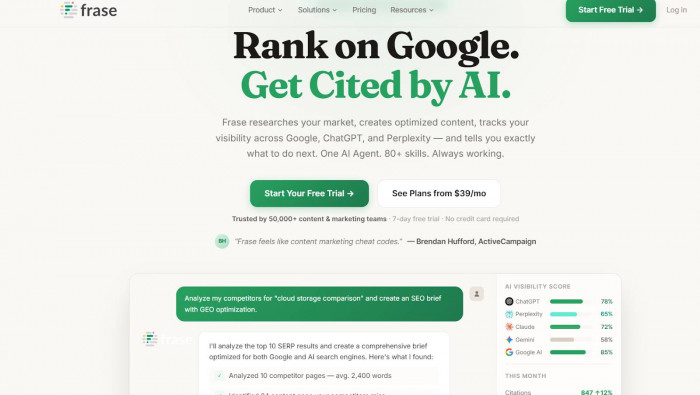
Frase helps you research, write, and optimize SEO content from one dashboard. Frase
2. Key SEO features
- SERP research
- AI content briefs
- Answer-focused optimization
- Topic clustering
3. How it helps content rank
Frase focuses on answering real search queries clearly and completely.
4. Best use cases
- Bloggers
- Niche site builders
- Small businesses
5. Pricing overview
Free trial available
Paid plans start around $14.99/month
6. Pros and cons
Pros
- Affordable
- Beginner-friendly
- Great for question-based content
Cons
- UI can feel basic
- AI writing quality varies
OpenAI (ChatGPT)
1. What it does
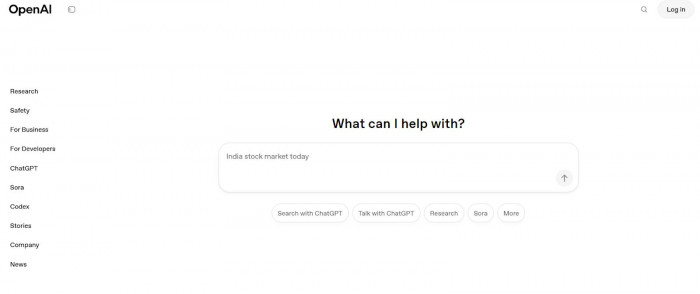
ChatGPT helps generate content ideas, outlines, drafts, and rewrites using AI. OpenAI
2. Key SEO features
- Content ideation
- Blog outlines
- Meta descriptions
- FAQ generation
3. How it helps content rank
When guided properly, it helps create useful, well-structured content faster.
4. Best use cases
- Beginners
- Bloggers
- Creators on a budget
5. Pricing overview
Free version available
Paid plan around $20/month
6. Pros and cons
Pros
- Very flexible
- Easy to use
- Free plan available
Cons
- Needs SEO tools for optimization
- No built-in keyword data
Emerging AI SEO Tools Worth Watching
NeuronWriter
Affordable Surfer alternative
Good for beginners
Strong NLP optimization
MarketMuse
Advanced content planning
Best for large websites
Higher learning curve
Scalenut
AI writing + SEO in one tool
Good value for money
Easy for beginners
Final Recommendations
Best for beginners:
ChatGPT + Frase
NeuronWriter
Best for budget users:
Frase
Scalenut
Best for agencies & teams:
Semrush Content AI
Surfer SEO
Best for advanced SEO professionals:
Clearscope
MarketMuse
AI tools don’t replace good content—but they make creating SEO-friendly, rank-worthy content faster, easier, and more consistent. Choose the tool that fits your goals, budget, and experience level, and start optimizing smarter today.










Comments