
Understanding the Meaning of “Art of Zoo” in Online Searches
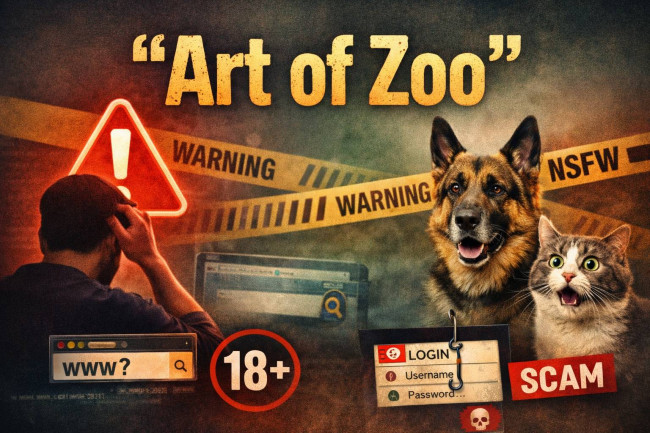
The phrase “Art of Zoo” appears frequently in internet searches and online discussions, often confusing users who encounter it for the first time. Despite the wording, the term is not related to art, wildlife photography, or legitimate animal-related platforms. Instead, it has become associated with disturbing and controversial online material that involves animals in explicit contexts.
Because the phrase sounds unusual and vague, many people search for it out of curiosity after seeing it mentioned on social media, forums, or meme pages. In most cases, the search leads to discussions warning users about harmful or illegal material rather than legitimate informational content.
Understanding what the term actually refers to helps users avoid unsafe websites and misleading links.
Why “Art of Zoo” Became a Popular Search Keyword
Certain keywords trend online not because people actively seek the content, but because curiosity spreads rapidly across social media and online communities. “Art of Zoo” is an example of a phrase that gained attention through shock culture and viral discussions.
Several factors contribute to its search popularity:
1. Curiosity searches after users see the phrase mentioned in comments, memes, or forums
2. Shock or prank culture, where people challenge others to search for unusual terms
3. Misleading links or clickbait titles that redirect users to unrelated or harmful websites
4. Discussion threads warning people not to search the term, which ironically increases curiosity
These trends are common with controversial keywords, where attention grows through viral conversations rather than genuine interest in the subject.
Legal and Ethical Concerns Surrounding the Term
Content involving animals in explicit or exploitative contexts is illegal in many countries and strongly condemned by animal protection laws. Governments and international organizations classify such material as abusive and harmful.
Legal frameworks in many jurisdictions treat the creation, distribution, or viewing of such material as criminal offenses. Authorities often work with internet platforms to identify and remove websites that host or distribute illegal content.
Animal welfare organizations also emphasize that animals cannot consent and must be protected from exploitation or harm. Because of this, the topic is widely treated as a serious ethical and legal issue rather than entertainment or curiosity.
Risks of Visiting Websites Linked to This Keyword
Users who follow suspicious links related to controversial keywords may face several risks. Many websites associated with such terms operate outside established regulations and may contain harmful or illegal content.
1. Exposure to illegal or disturbing content
2. Malware or unsafe downloads hidden within websites
3. Redirects to scam or phishing pages
4. Emotional distress after encountering unexpected material
5. Potential legal consequences depending on local laws
| Risk Type | Description |
| Illegal content exposure | Some websites host material that violates animal protection laws |
| Malware and security threats | Unsafe sites may attempt to install harmful software |
| Disturbing material | Users may encounter shocking content they did not intend to see |
| Privacy risks | Certain websites track users or attempt phishing attacks |
| Legal implications | Accessing or sharing illegal content may carry penalties |
Because of these risks, many cybersecurity experts recommend avoiding unfamiliar or suspicious links entirely.
How Search Engines and Platforms Handle Such Content
Major search engines and online platforms actively attempt to limit the spread of harmful or illegal content. This is done through a combination of automated systems, human moderation, and cooperation with law enforcement agencies.
Platforms commonly apply several measures:
1. Removing or blocking search results that link to illegal material
2. Flagging suspicious websites through automated detection systems
3. Restricting content visibility using safe search filters
4. Allowing users to report harmful links or websites
5. Working with authorities to investigate illegal online activities
While these efforts reduce exposure, harmful websites may still appear through obscure links or unmoderated platforms. For this reason, users must also practice safe browsing habits.

How Users Can Protect Themselves Online
When encountering unusual or controversial search terms, it is important to prioritize online safety. A few simple precautions can significantly reduce the risk of exposure to harmful content.
1. Avoid clicking on unknown or suspicious links shared in comments or forums
2. Use SafeSearch filters on search engines
3. Install reputable antivirus or browser security tools
4. Report websites that appear to host illegal or harmful material
5. Be cautious with viral trends that encourage searching for unusual keywords
Understanding how misleading keywords work helps users avoid becoming victims of online shock culture or malicious websites.
Why People Search Controversial Keywords
Not all searches for controversial terms come from harmful intentions. In many cases, curiosity or online trends drive search activity.
| Reason | Explanation |
| Curiosity | People search unfamiliar terms after seeing them online |
| Viral challenges | Social media trends encourage searching shocking phrases |
| Warnings from others | Posts warning about the term sometimes increase interest |
| Misleading naming | The phrase itself sounds harmless or artistic |
This pattern shows how internet culture can quickly turn obscure phrases into widely searched topics.
Frequently Asked Questions
What does “Art of Zoo” mean online?
The term is associated with controversial and disturbing internet content involving animals in explicit contexts. It is not related to legitimate art, wildlife media, or educational platforms.
Why do people search for it?
Most searches are driven by curiosity, viral discussions, memes, or warnings shared on social media platforms.
Is it legal?
Content involving animals in explicit contexts is illegal in many countries and is strongly condemned by animal welfare laws and organizations.
Is it safe to visit websites related to this keyword?
No. Many websites associated with controversial search terms can expose users to illegal material, malware, or harmful content.
What should someone do if they encounter such content online?
Users should leave the website immediately and report the page through search engines, hosting providers, or relevant authorities.







Comments