
Browser-based AI assistants have become a common productivity layer for writing, summarizing, coding, and quick research. Tools like Monica AI gained popularity by packaging multiple AI models into a convenient browser extension that can summarize pages, draft emails, and answer questions while you browse.
However, Monica AI is not perfect for everyone. Some users run into model usage caps, limitations in free tiers, or find the browser-extension dependency restrictive when working across multiple devices or standalone applications. Others want deeper research tools, better document handling, or access to different models without switching platforms. For these reasons, professionals often explore Monica AI alternatives that offer stronger reasoning models, more flexible interfaces, or more transparent pricing.
Below are several notable alternatives, each solving slightly different productivity problems.
Grok
Grok is an AI assistant integrated primarily into the X (formerly Twitter) ecosystem. It is designed to combine conversational AI with real-time information retrieval from the platform and the broader web.(Grok)
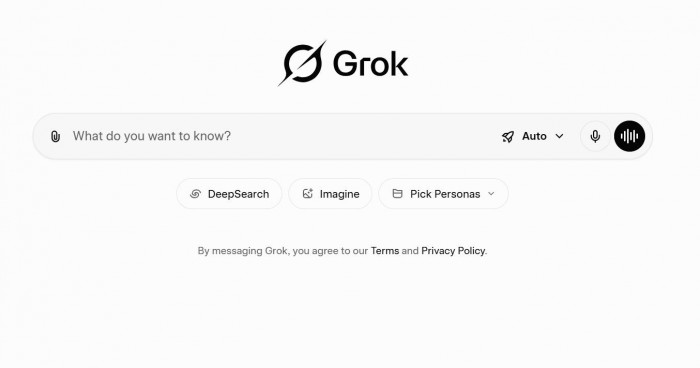
Compared with Monica AI, Grok emphasizes real-time context and social data awareness rather than functioning purely as a productivity browser extension. In practice, this makes it particularly useful for trend monitoring, quick research, and conversational Q&A about current events. However, it lacks some of the document editing and browser workflow integrations that Monica users rely on.
1. Capabilities
a. real-time knowledge retrieval
b. conversational AI assistant
c. integrated access within X ecosystem
2. Advantages over Monica AI
a. stronger real-time information access
b. faster responses for trending topics
3. Limitations
a. less structured productivity tooling
b. ecosystem tied closely to X platform
4. Pricing
a. generally available through premium X subscriptions
5. Best use cases
a. monitoring trends and current events
b. quick research queries
Claude
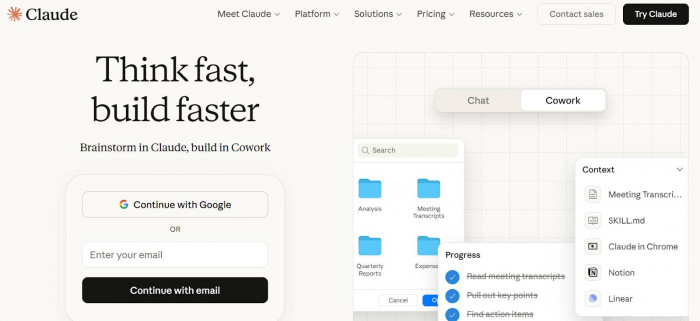
Claude is developed by Anthropic and focuses heavily on reasoning, long-form analysis, and document interaction. It is widely used by professionals who handle long reports, research material, or structured content.(Claude)
Compared with Monica AI, Claude’s biggest advantage is its large context window, allowing users to upload lengthy documents and perform deep analysis. While Monica excels at quick browser-side tasks, Claude works more like a dedicated reasoning engine for complex workflows.
1. Capabilities
a. long-context document analysis
b. advanced reasoning and summarization
c. coding and writing assistance
2. Advantages over Monica AI
a. stronger research and analytical abilities
b. handles large files and long documents
3. Limitations
a. fewer built-in browsing integrations
b. less focused on quick in-page assistance
4. Pricing
a. free tier available
b. premium plans such as Claude Pro
5. Best use cases
a. research and analysis workflows
b. technical writing or documentation
SimpleChat
SimpleChat is a minimal AI chat interface designed to provide access to multiple models without heavy platform features. The goal is simplicity: a clean chat environment where users can interact with AI without complex integrations.(SimpleChat)
Compared with Monica AI, SimpleChat offers fewer automation features but provides a more direct and distraction-free AI interaction environment. Users who dislike extension-heavy interfaces often prefer this type of tool.
1. Capabilities
a. multi-model chat access
b. lightweight interface
2. Advantages over Monica AI
a. simpler user interface
b. minimal setup
3. Limitations
a. fewer productivity integrations
b. limited document and browsing features
4. Pricing
a. often free or low-cost depending on model access
5. Best use cases
a. simple AI conversations
b. lightweight personal productivity
Aymo AI
Aymo AI focuses on productivity workflows that combine writing assistance, summarization, and automation features. It is positioned more as an AI productivity layer than a simple chat assistant.(Aymo AI)
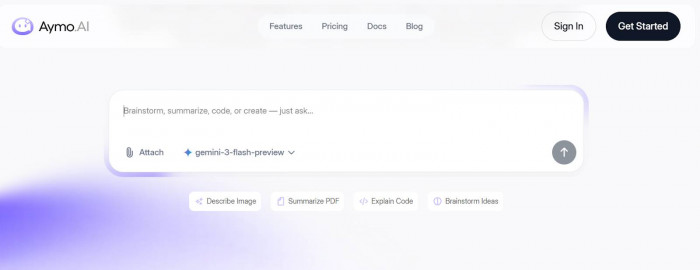
Compared with Monica AI, Aymo AI offers a broader workflow approach rather than focusing mainly on browser extensions. In real use, this can make it more flexible for professionals working across documents, notes, and structured content.
1. Capabilities
a. AI writing assistant
b. summarization tools
c. productivity integrations
2. Advantages over Monica AI
a. more workflow-oriented design
b. stronger content generation features
3. Limitations
a. smaller ecosystem than larger AI platforms
b. limited model diversity
4. Pricing
a. typically subscription-based
5. Best use cases
a. writing workflows
b. productivity automation
TypingMind
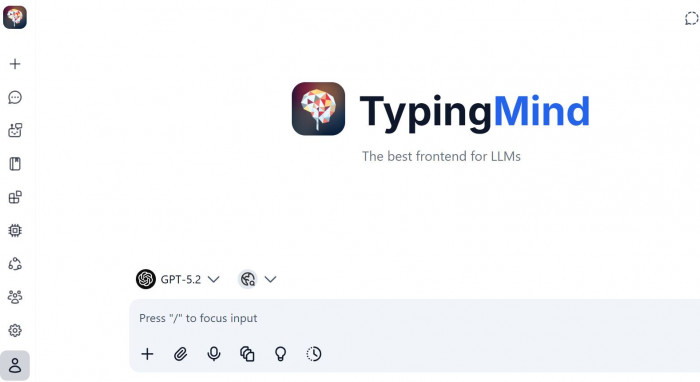
TypingMind takes a very different approach from Monica AI. Instead of being a hosted assistant, it is often used as a self-hosted interface for AI APIs.(TypingMind)
This means users can connect their own models, API keys, or local AI systems. For developers and technical users, this flexibility is powerful. However, it requires more setup than the average Monica AI user expects.
1. Capabilities
a. connect to multiple AI APIs
b. customizable chat interface
c. local AI integration
2. Advantages over Monica AI
a. extremely flexible model access
b. customizable workflows
3. Limitations
a. setup complexity
b. not beginner-friendly
4. Pricing
a. usually a one-time license or self-hosted setup
5. Best use cases
a. developers
b. advanced AI workflows
GPT Breeze
GPT Breeze resembles Monica AI more closely than many alternatives because it also operates as a browser-side assistant.(GPT Breeze)
The platform provides quick summarization, content generation, and chat functionality directly within webpages. Compared with Monica AI, it focuses on simplicity and lightweight interactions rather than complex integrations.

1. Capabilities
a. page summarization
b. writing assistance
c. quick AI prompts within browser
2. Advantages over Monica AI
a. simpler interface
b. lightweight browser integration
3. Limitations
a. fewer advanced features
b. smaller ecosystem
4. Pricing
a. freemium model with paid upgrades
5. Best use cases
a. quick browsing assistance
b. casual writing support
Comparison of Major Monica AI Alternatives
| Tool | Model Access | Real-Time Search | Document Handling | Free Plan | Browser Extension | Productivity Features |
| Monica AI | Multiple models | Limited | Moderate | Yes | Yes | Strong |
| Grok | Proprietary model | Strong | Basic | Limited | No | Moderate |
| Claude | Anthropic models | Limited | Very strong | Yes | Limited | Strong |
| SimpleChat | Multi-model | Limited | Basic | Often yes | No | Basic |
| Aymo AI | Limited model set | Moderate | Moderate | Limited | Optional | Moderate |
| TypingMind | User API models | Optional | Strong | Depends on setup | No | Advanced |
| GPT Breeze | GPT-based | Limited | Basic | Yes | Yes | Moderate |
Choosing the Right Monica AI Alternative
The right replacement depends heavily on how you actually use AI in your daily workflow.
If your priority is deep research and document analysis, Claude is usually the strongest option because of its large context window and reasoning ability. Users who want real-time knowledge and trend awareness may find Grok more useful, particularly if they already work within the X ecosystem.
For developers and technical users who want full control over models and APIs, TypingMind is one of the most flexible solutions available. Meanwhile, users who prefer a lightweight chat interface without complex integrations might prefer SimpleChat.
If your workflow still depends heavily on browser-based assistance, GPT Breeze is probably the closest alternative to Monica AI. Aymo AI sits somewhere in the middle, focusing more on productivity workflows rather than pure chat interactions.
In practical terms, the best Monica AI alternatives fall into three groups:
research-focused assistants like Claude, customizable AI environments like TypingMind, and lightweight browser assistants like GPT Breeze. Choosing the right one depends less on feature lists and more on whether your workflow revolves around research, writing, automation, or browsing productivity.





Comments