
AI learning assistants have changed the way people process information online. Instead of watching an entire 45-minute lecture or reading long PDFs line by line, tools like NoteGPT can quickly summarize content and extract the most important ideas. Students use these platforms to turn lectures into structured notes, researchers use them to digest long articles faster, and professionals rely on them to understand webinars or training videos in minutes.
The core promise of NoteGPT is simple: paste a YouTube link, upload a lecture recording, or drop in a PDF, and the AI generates a transcript, summary, and study notes almost instantly. For many users, this dramatically reduces the time spent learning or researching.
However, people often search for the best NoteGPT alternatives for several reasons. Some want better YouTube summarization accuracy. Others prefer tools that organize notes into a knowledge base or integrate with their study workflow. Pricing and feature limitations can also push users to explore competing tools.
The platforms below are among the closest functional competitors. Each focuses on summarizing videos, lectures, PDFs, or articles, and generates transcripts and structured notes for faster learning.
Glasp
Glasp is one of the most interesting alternatives to NoteGPT because it combines AI summarization with long-term knowledge organization. Instead of only generating summaries, it allows users to highlight text from articles, PDFs, and YouTube videos while automatically creating structured notes.
When you watch a YouTube lecture or read an article, Glasp extracts the key ideas and stores them inside a personal knowledge library. Over time this becomes a searchable collection of insights, similar to a “second brain.” Students and researchers often prefer this approach because it allows them to revisit information later rather than losing it after a single summary.
Compared with NoteGPT, Glasp feels less like a one-time summarization tool and more like a long-term learning system. It is particularly useful for users who constantly collect knowledge from multiple sources.
Key features
1. AI summaries for YouTube videos and articles
2. Highlighting system for webpages and PDFs
3. Personal knowledge library with saved insights
4. Export options to tools like Notion
Advantages compared to NoteGPT
1. Better for building a long-term research knowledge base
2. Strong web and PDF highlighting features
3. Works across multiple content types
Limitations
1. Slightly more complex workflow for beginners
2. Less focused on quick summaries only
Pricing
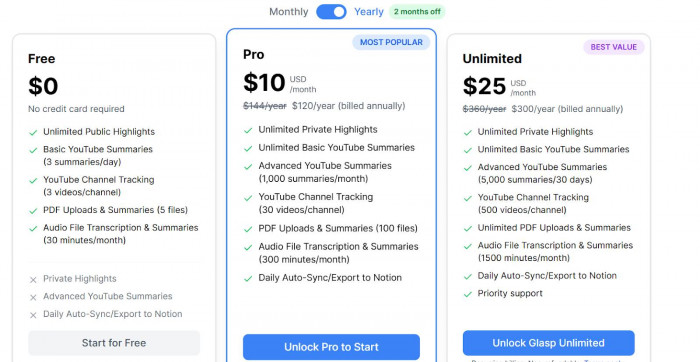
1. Free plan: includes highlights, basic summaries, limited YouTube summaries per day
2. Pro plan: about $10 per month with advanced summaries and more uploads
3. Unlimited plan: about $25 per month with higher limits and priority features (Glasp)
Eightify
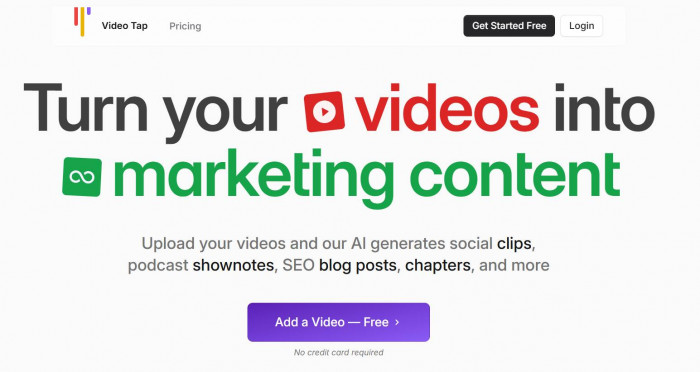
Eightify is one of the most focused tools in this category. While NoteGPT supports multiple content formats, Eightify specializes almost entirely in summarizing YouTube videos.
The tool automatically analyzes a video and generates a concise set of key insights, usually presented as 8 main ideas with timestamps. This allows users to understand the main points of a lecture or podcast without watching the entire recording.
Because the interface is extremely simple, Eightify is particularly popular with students and professionals who consume large amounts of video content. Instead of copying transcripts or manually writing notes, the AI produces a clear summary that can be skimmed in seconds.
Key features
1. AI summaries for YouTube videos
2. Timestamped key insights
3. Browser extension for Chrome
4. Multi-language support for video summaries
Advantages compared to NoteGPT
1. Extremely fast YouTube summarization
2. Very simple interface for beginners
3. Works directly inside YouTube
Limitations
1. Limited support for PDFs or articles
2. Not designed for long-term note management
Pricing
1. Free plan with limited summaries
2. Paid plans starting around $7.99 per month for expanded usage and longer video support (Video Tap)
Recall AI
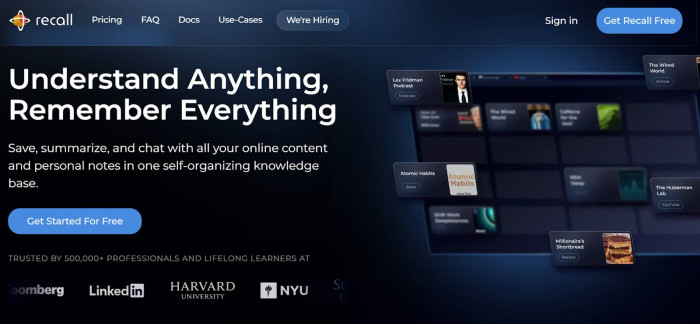
Recall AI, also known as GetRecall, takes a different approach compared with many summarization tools. Instead of generating summaries that disappear after use, it builds a structured knowledge base from the content you consume.
Users can feed Recall AI YouTube videos, podcasts, PDFs, or articles. The system extracts the key ideas and organizes them into linked notes. Over time, this creates a network of connected insights that helps users remember and revisit information.
This approach makes Recall particularly useful for academic study. Instead of simply summarizing a lecture once, it helps users build a growing knowledge system that can be reviewed and expanded later.
Key features
1. AI summaries for YouTube, podcasts, PDFs, and articles
2. Knowledge graph connecting related ideas
3. Personal knowledge base with searchable notes
4. Built-in learning and review tools
Advantages compared to NoteGPT
1. Much stronger long-term knowledge management
2. Excellent for research and academic study
3. Automatically organizes notes
Limitations
1. Slightly more complex interface
2. Not optimized for ultra-quick summaries
Pricing
1. Lite plan: Free, includes about 10 AI summaries and unlimited manual notes
2. Plus plan: around $7–$10 per month with unlimited AI summaries and advanced features
3. Business plan: custom pricing for teams (Recall)
VOMO AI
VOMO AI focuses primarily on converting spoken content into structured notes. Unlike NoteGPT, which often starts with videos or documents, VOMO excels at turning audio recordings into transcripts and summarized notes.
Students frequently use it to record lectures and automatically generate structured notes afterward. Professionals also rely on it to summarize meetings, interviews, or podcasts.
After transcription, the AI extracts key ideas and organizes them into a readable summary. This makes it much easier to review long conversations or lectures without replaying the entire recording.
Key features
1. AI transcription for audio and video
2. Automatic lecture or meeting summaries
3. Speaker identification and structured notes
4. Support for 50+ languages
Advantages compared to NoteGPT
1. Excellent audio transcription accuracy
2. Ideal for lectures and meetings
3. Generates structured notes automatically
Limitations
1. Limited YouTube-specific summarization tools
2. Less focused on PDF content analysis
Pricing
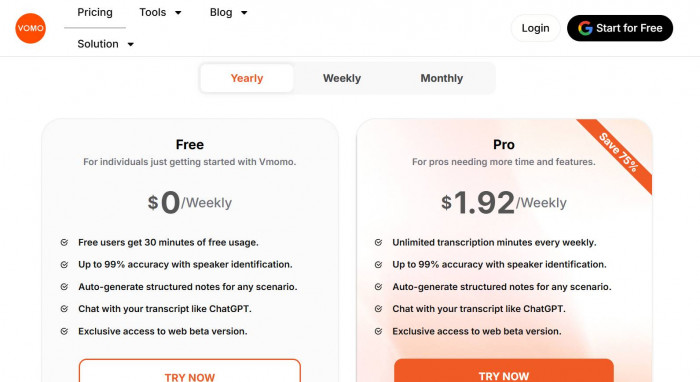
1. Free plan with 30 minutes of transcription usage
2. Pro plan about $19.99 per month or discounted annual plans around $99.99 per year (Vomo)
Maestra AI
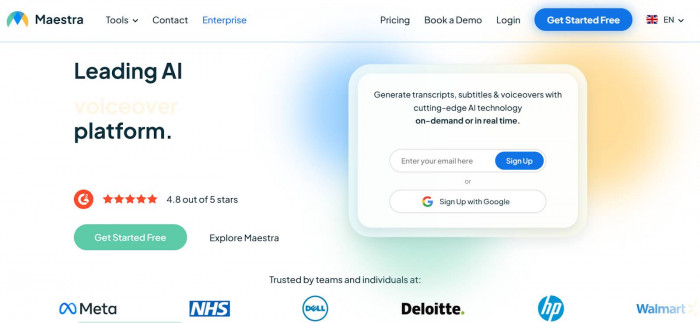
Maestra AI is a powerful transcription and summarization platform designed for analyzing recorded media. It converts audio and video into transcripts while also generating summaries and subtitles.
The platform is widely used for webinars, lectures, interviews, and online courses. Once a transcript is generated, users can quickly scan the text to extract key ideas or convert the content into study notes.(Maestra AI)
Compared with NoteGPT, Maestra focuses more heavily on professional transcription workflows. This makes it useful for journalists, educators, and researchers working with recorded content.
Key features
1. AI transcription for audio and video files
2. Automatic subtitle generation
3. AI summaries from transcripts
4. Support for over 125 languages
Advantages compared to NoteGPT
1. Very strong transcription accuracy
2. Handles large video and audio files
3. Professional editing tools
Limitations
1. Less focused on note-taking workflows
2. Pricing depends on transcription minutes
Pricing
1. Pay-as-you-go: $12 for 60 transcription credits (about 60 minutes)
2. Lite plan: about $23 per month for 180 minutes
3. Basic plan: about $39 per month for 360 minutes
4. Premium plan: about $79 per month for 900 minutes
Comparing the Best NoteGPT Alternatives
Each of these tools solves the same problem as NoteGPT but focuses on different workflows.
1. If your main goal is to summarize YouTube videos quickly, Eightify is usually the simplest solution. Its summaries appear instantly and highlight the key ideas without requiring additional setup.
2. For academic study and knowledge retention, Recall AI is often the strongest option. Its knowledge graph and note-linking system make it better suited for building a structured learning database.
3. If you frequently attend lectures, meetings, or interviews, VOMO AI can be extremely useful because of its transcription and automatic note generation.
4. For media professionals or researchers analyzing recorded content, Maestra AI offers powerful transcription and translation features.
5. Meanwhile, Glasp works best for researchers and heavy readers who want to collect highlights from articles, PDFs, and videos into a long-term knowledge library.
Choosing the Right Alternative
The best NoteGPT alternative depends on how you learn and consume information.
1. If your workflow revolves around YouTube lectures and educational videos, Eightify is often the fastest option. Its ability to extract the key insights from long videos can save hours of viewing time.
2. For people who want to build a personal knowledge system, tools like Recall AI or Glasp provide a deeper learning experience. They help organize information so it can be reviewed later instead of being lost after a single summary.
3. If you spend most of your time listening to lectures, meetings, or podcasts, VOMO AI can transform spoken content into structured notes that are easy to review.
4. Meanwhile, professionals dealing with large video libraries or recorded training material may find Maestra AI more suitable due to its strong transcription and subtitle capabilities.
5. Ultimately, the goal of these tools is the same: helping users understand information faster. The right choice depends less on the tool itself and more on whether your workflow focuses on videos, lectures, documents, or long-term knowledge management.
Final Thoughts
In the end, the best NoteGPT alternative depends on how you prefer to learn and process information. Some tools focus on quickly summarizing YouTube videos, while others are designed to organize research, transcribe lectures, or build a long-term knowledge base. If your priority is speed, a specialized video summarizer may work best. If you need deeper study tools, platforms that organize notes and transcripts can offer more value. By choosing the tool that matches your workflow, you can turn hours of content into clear, useful insights in just minutes.




Comments