
A car accident lawyer is not just someone who “talks to insurance companies.” Their real function is to translate injuries, lost income, and long-term impact into legally defensible compensation.
Most accident victims underestimate how technical these cases are. Modern car accident claims involve:
● Medical coding and treatment timelines
● Accident reconstruction reports
● Insurance policy exclusions
● Comparative or contributory negligence rules
● Settlement valuation models used by insurers
Without understanding how these elements interact, victims often accept settlements that look reasonable but are statistically below market value.
Car Accidents by the Numbers (Why These Cases Matter)
Data shows why car accident claims are one of the most litigated legal areas in the U.S.
According to the National Highway Traffic Safety Administration (NHTSA):
● Over 5.9 million police-reported car accidents occur annually in the U.S.
● Nearly 2.3 million people are injured each year in motor vehicle crashes
● Medical expenses and productivity losses exceed $470 billion annually
Insurance Research Council (IRC) data also shows:
● Injury victims represented by lawyers receive 3 to 3.5× higher compensation on average than unrepresented claimants
● More than 85% of bodily injury settlements involving serious injuries include legal representation
These numbers alone explain why insurers fight claims aggressively.
Why Insurance Settlements Are Usually Lower Than They Should Be
Insurance companies use internal valuation software (often referred to as “claims optimization tools”) to determine payout ranges. These systems prioritize:
● Short treatment duration
● Minimal diagnostic imaging
● Lack of specialist referrals
● Early claim closure
What they often do not fully account for:
● Delayed symptom onset (common in neck, spine, and soft-tissue injuries)
● Long-term therapy needs
● Future earning limitations
● Chronic pain documentation
A car accident lawyer’s role is to override algorithm-based settlement logic with documented legal evidence.
Types of Compensation a Car Accident Lawyer Builds a Case Around
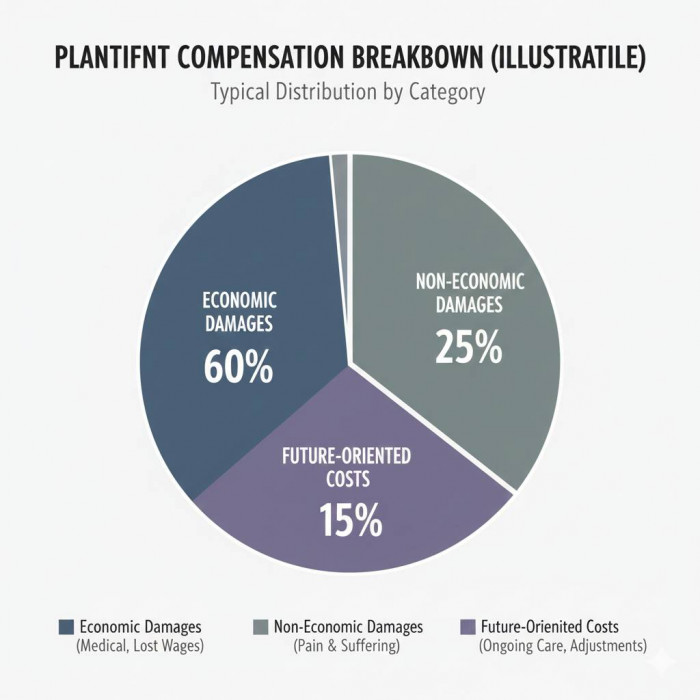
Compensation is not limited to repair bills or ER visits. Well-prepared claims include multiple layers:
1. Economic Damages
● Emergency and follow-up medical treatment
● Physical therapy and rehabilitation
● Prescription medication
● Lost wages
● Reduced future earning capacity
2. Non-Economic Damages
● Pain and suffering
● Emotional distress
● Loss of enjoyment of life
● Psychological trauma (anxiety, PTSD)
3. Future-Oriented Costs
● Ongoing treatment projections
● Permanent impairment assessments
● Life-care planning reports
These categories require expert documentation, not assumptions.
When Hiring a Car Accident Lawyer Statistically Improves Outcomes
Legal representation becomes especially impactful when:
● Injuries require imaging (MRI, CT scans)
● Treatment lasts more than 6–8 weeks
● Fault is disputed or shared
● Multiple vehicles are involved
● Commercial or rideshare vehicles are part of the crash
● The insurer delays, denies, or minimizes liability
In these situations, unrepresented claimants are often negotiating blind.
Why Local Legal Knowledge Affects Claim Value
Car accident law is heavily influenced by state statutes and local court practices.
For example, Florida accident claims involve:
● No-fault insurance thresholds
● Injury seriousness requirements
● Specific filing deadlines
● Jurisdiction-specific jury behavior
That’s why accident victims dealing with serious injuries often seek guidance from a locally experienced West Palm Beach Car Wreck Attorney who understands how local insurers, courts, and adjusters actually operate, not just what the statute book says.
This local insight often affects:
● Settlement timing
● Evidence presentation
● Negotiation leverage
How the Legal Claim Process Really Works (Step by Step)
A structured car accident case usually follows this progression:
1. Initial Case Evaluation
Review of accident facts, injuries, and insurance coverage
2. Medical Documentation Phase
Ensuring injuries are properly diagnosed and recorded
3. Demand Package Preparation
Evidence, medical records, wage loss, and liability analysis
4. Negotiation Phase
Back-and-forth with insurers using documented leverage
5. Litigation (If Necessary)
Filing suit when insurers refuse fair valuation
Over 90% of cases settle before trial, but strong preparation is what drives those settlements upward.
Common Misconceptions That Cost Accident Victims Money
Some beliefs consistently weaken claims:
● “I feel okay now, so I don’t need treatment”
● “The insurance company will be fair”
● “Hiring a lawyer means going to court”
● “Minor injuries don’t qualify for compensation”
In reality, delayed treatment and undocumented symptoms are among the top reasons claims lose value.
Final Takeaway: Why Early Legal Insight Matters
A car accident lawyer isn’t just a reactive solution, they’re a risk management tool.
The earlier injuries are documented correctly and liability is framed accurately, the more control victims retain over outcomes. Waiting until a claim is denied or undervalued often limits recovery options.
If there’s one consistent pattern across successful accident claims, it’s this:
Informed decisions made early outperform rushed settlements made alone.










Comments