
Artificial intelligence tools are often grouped as if they all serve the same purpose. In reality, the AI landscape has evolved into several different categories. Some tools function more like intelligent search engines that gather information from the web and present it in a structured way. Others act as conversational assistants that generate ideas, explanations, and creative content.
The comparison between Perplexity AI and ChatGPT perfectly illustrates this difference.
Perplexity AI was built to rethink online search. Instead of showing a list of links like a traditional search engine, it produces summarized answers with citations from multiple sources. The goal is to make research faster and more transparent.
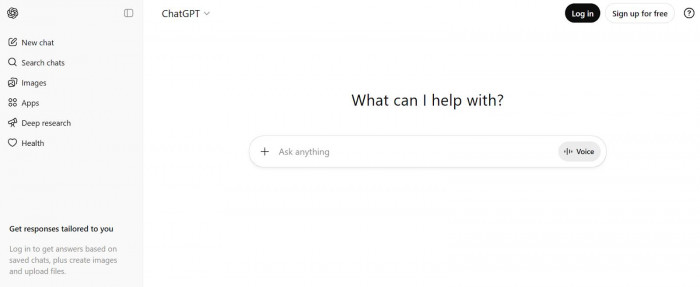
ChatGPT takes a broader approach. Rather than focusing primarily on web-based information retrieval, it acts as a conversational AI assistant capable of writing, explaining, brainstorming, coding, and helping users think through problems.
Both tools are powerful, but they excel in different situations. To understand their strengths, imagine a debate where each AI platform argues its case.
The Research Battle
The first round focuses on research. Imagine a student or journalist searching for information about a complex topic. Which AI provides better answers?
Perplexity AI begins its argument by emphasizing transparency. When users ask a question, the platform pulls information from the web and includes citations directly within the response. These references allow users to verify the source of the information and explore the original articles if needed.
For example, if someone asks about the latest developments in artificial intelligence regulation, Perplexity typically presents a summarized explanation along with links to news articles or research papers. The process feels closer to a hybrid between a search engine and a research assistant.
This approach offers several advantages.
- Answers often include source citations
- Results reflect current information from the web
- Users can quickly verify the credibility of sources
ChatGPT counters by pointing out that research is not just about collecting sources. Sometimes the challenge is understanding information rather than simply finding it.
ChatGPT’s strength lies in its ability to synthesize knowledge and explain it clearly. Instead of listing references, it often provides deeper explanations that connect different concepts together.
For instance, if someone asks about climate change economics, ChatGPT may produce a structured explanation that explores causes, impacts, and policy responses in a narrative format.
However, historically ChatGPT did not always provide real-time web citations. While newer versions can browse the internet depending on the plan and settings, the default experience still feels less like a research engine and more like an AI tutor summarizing knowledge.
In this round, the tools reveal their different priorities.
Perplexity focuses on finding reliable information quickly, while ChatGPT focuses on explaining information clearly.
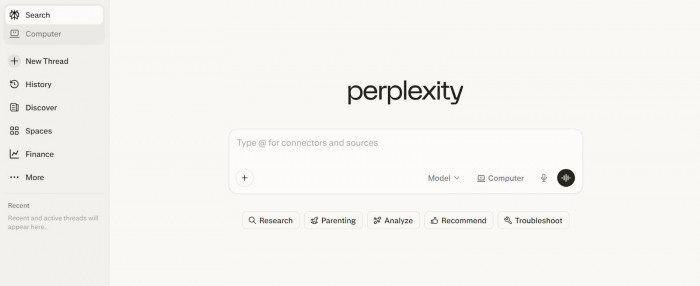
For users who value citations and current sources, Perplexity often feels more trustworthy. For those who want deeper conceptual explanations, ChatGPT can feel more helpful.
The Writing and Creativity Challenge
The debate now shifts from research to writing.
Imagine a marketer asking an AI to generate a blog post, a product description, or a creative headline. Which tool performs better?
ChatGPT steps forward confidently in this round.
One of the platform’s biggest strengths is creative language generation. Users can ask it to write articles, marketing copy, emails, scripts, or even fictional stories. It can also adjust tone, style, and structure based on instructions.
For example, a prompt might request:
- a professional blog post
- a casual social media caption
- a persuasive product pitch
ChatGPT can adapt its output accordingly, often producing content that reads naturally.
It also performs well at rewriting existing content, generating outlines, or brainstorming ideas for new articles.
Perplexity responds differently.
While Perplexity can generate written answers, its focus remains on summarizing and synthesizing information from external sources rather than creating entirely new narratives. The responses tend to be concise and fact-driven rather than imaginative.
For instance, if someone asks Perplexity to write a long-form article about entrepreneurship, the result may feel closer to a structured summary of existing knowledge rather than a fully developed piece of creative writing.
In practical terms, the difference becomes clear.
ChatGPT excels at tasks such as:
- blog writing
- creative brainstorming
- rewriting content in different tones
- generating storytelling-style explanations
Perplexity performs better when the task involves summarizing factual material from multiple sources.
In this round of the debate, ChatGPT clearly demonstrates stronger creative abilities, while Perplexity stays focused on factual synthesis.
Problem Solving and Learning
The third round focuses on problem-solving and education.
Many users rely on AI tools to understand difficult concepts, solve technical issues, or learn new skills.
ChatGPT opens this round by highlighting its conversational learning style. Because it can remember context during a conversation, users can ask follow-up questions and gradually refine their understanding of a topic.
For example, someone learning programming might ask:
- How does recursion work?
- Can you show a Python example?
- Why does my code produce this error?
ChatGPT can guide the user through each step, offering explanations and code suggestions while adapting to new questions.
This ability to act as an interactive tutor makes it particularly useful for students and professionals learning new technical skills.
Perplexity responds by emphasizing its research strength again.
When someone asks about a scientific concept, Perplexity often provides summarized explanations along with links to relevant academic sources or articles. This makes it useful for quickly identifying authoritative references.
However, the conversation style tends to be more transactional. While follow-up questions are possible, the experience feels closer to refining search queries than engaging in a long educational discussion.
In learning scenarios, the difference often comes down to interaction style.
ChatGPT behaves like a tutor explaining concepts step by step, while Perplexity behaves like a research assistant retrieving relevant information.
Students who want detailed explanations and iterative learning often prefer ChatGPT. Researchers who want quick access to credible sources may prefer Perplexity.
Everyday Productivity
The final round of the debate focuses on everyday productivity.
People increasingly rely on AI tools for small tasks throughout the day. These tasks may include summarizing articles, brainstorming ideas, planning projects, or answering quick questions.
Perplexity argues that its design makes it extremely efficient for information retrieval. When users need quick answers or summaries of online content, the platform often delivers results faster than traditional search engines.
For example, someone researching a new smartphone might ask Perplexity to compare models or summarize reviews. The platform can quickly produce a concise overview pulled from multiple articles.
ChatGPT approaches productivity differently.
Instead of focusing only on external information, it helps users think through tasks and generate ideas. Someone planning a project might ask ChatGPT to outline a marketing strategy, create a task list, or generate brainstorming ideas.
ChatGPT often feels like a digital collaborator rather than a search tool.
In daily workflows, both tools can be useful, but they shine in different ways.
Perplexity works best when users need:
- quick factual answers
- summaries of online articles
- fast research results
ChatGPT works best when users need:
- brainstorming support
- writing assistance
- structured thinking and planning
Rather than replacing each other, they often complement different types of productivity tasks.
Pricing Comparison
While functionality matters, pricing also plays a role in deciding which AI tool to use.
| Platform | Free Plan | Paid Plan | Monthly Cost | Key Benefits |
| Perplexity AI | Yes | Perplexity Pro | ~$20/month | advanced models, faster search, file uploads |
| ChatGPT | Yes | ChatGPT Plus | ~$20/month | GPT-4 access, faster responses |
| ChatGPT | — | ChatGPT Team / Enterprise | higher tiers | collaboration tools and expanded capabilities |
Both tools offer free versions that allow users to test their capabilities. Paid plans mainly unlock more advanced AI models, faster responses, and additional features.
Because the pricing is similar, the decision often depends more on functionality than cost.
What Users Are Actually Saying
User reviews provide valuable insight into how these platforms perform in real-world scenarios.
Perplexity users often praise the tool for its ability to provide source-backed answers quickly. Many describe it as a faster and more efficient way to perform online research compared to traditional search engines.
Common praise includes:
- accurate summaries of web content
- clear citations and references
- fast information retrieval
However, some users mention that the platform can feel limited when used for creative tasks.
ChatGPT users frequently highlight its versatility. People use it for writing, coding help, brainstorming ideas, and explaining complex concepts.
Typical praise includes:
- strong writing abilities
- helpful step-by-step explanations
- wide range of use cases
Criticism sometimes focuses on the lack of built-in citations in certain scenarios, especially when performing research.
In online communities such as Reddit or technology forums, the most common perspective is that the two tools serve complementary roles rather than directly replacing one another.
Quick Comparision
| Category | Perplexity AI | ChatGPT |
| Core Philosophy | AI-powered research and search assistant | Conversational AI for thinking, writing, and problem solving |
| Primary Strength | Real-time research with citations | Creative writing and explanation |
| Information Sources | Pulls information from live web sources | Uses trained knowledge and optional browsing |
| Citations | Built-in citations and source links | Limited citations unless browsing is enabled |
| Writing Ability | Concise summaries of information | Strong long-form writing and content generation |
| Learning & Tutoring | Acts like a research helper | Acts like an interactive tutor |
| Best Use Cases | Research, fact-checking, news summaries | Writing, coding help, brainstorming |
| Interaction Style | Search-focused Q&A | Conversational and iterative |
| Productivity Role | Faster alternative to search engines | AI collaborator for tasks and ideas |
| Paid Plan Price | ~ $20/month (Perplexity Pro) | ~ $20/month (ChatGPT Plus) |
Final Verdict: Who Wins Which Battle
The Perplexity vs ChatGPT debate ultimately reveals that each platform excels in different situations.
Perplexity AI clearly wins when the task involves:
1. researching factual information
2. verifying sources quickly
3. summarizing online articles
4. finding up-to-date information from the web
ChatGPT performs better when users need:
1. creative writing and content generation
2. detailed explanations of complex topics
3. brainstorming and planning support
4. conversational problem solving
Instead of choosing one universal winner, the debate highlights how the tools reflect two different philosophies of artificial intelligence.
Perplexity is designed to rethink search.
ChatGPT is designed to extend human thinking and creativity.
Understanding this distinction makes it easier to decide which tool belongs in your workflow.



Comments