
Research in 2026 looks very different from just a few years ago. Instead of spending days searching for papers, reading long PDFs, and manually organizing citations, AI-powered research tools now help students, researchers, and professionals find, analyze, summarize, and understand information in minutes.
These tools don’t replace critical thinking—but they dramatically reduce repetitive work, making research faster, more focused, and more accessible, even for beginners.
Below are five of the best AI research tools in 2026, widely used by students, PhD scholars, journalists, writers, and business analysts.
1. Elicit
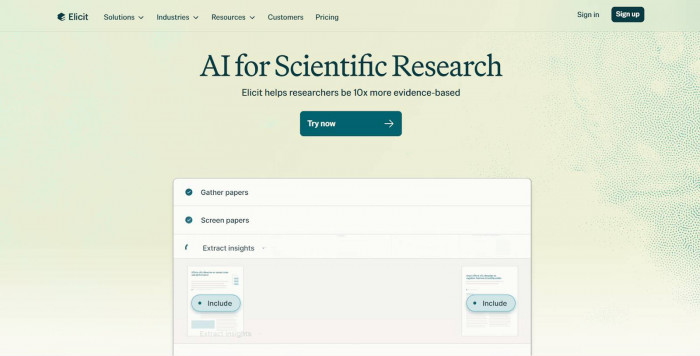
Elicit is designed specifically for academic and evidence-based research. Instead of keyword-based searching, it lets you ask research questions in plain English and then finds relevant papers to support or challenge your query. Elicit
What it does
Elicit searches across academic databases and extracts key information directly from research papers—such as study methods, sample sizes, and findings.
Key research features
- AI-powered literature search using natural language
- Automatic paper summarization
- Data extraction (outcomes, variables, conclusions)
- Comparison of multiple papers in a table format
Who it’s best for
- University students writing assignments
- PhD scholars doing literature reviews
- Policy researchers and evidence-based analysts
Pros
- Saves huge amounts of time during literature reviews
- Focuses on peer-reviewed research, not web articles
- Very beginner-friendly interface
Limitations
- Works best for empirical or scientific topics
- Not ideal for news, opinion pieces, or creative research
Pricing
- Free plan with limited queries
- Paid plans unlock deeper searches and exports
2. Perplexity AI
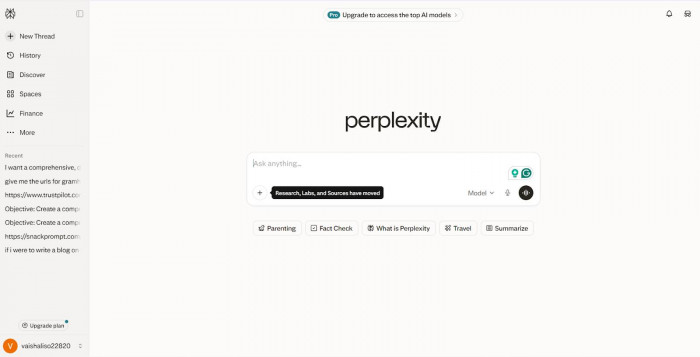
Perplexity AI is often described as a research-focused alternative to Google. It combines real-time web search with AI-generated answers and cited sources. Perplexity AI
How it works
You ask a question, and Perplexity returns a clear answer along with linked citations, allowing you to verify and explore original sources instantly.
Standout capabilities
- Fast web + academic search
- Concise summaries with source citations
- Follow-up questions for deeper exploration
- Useful for both technical and non-technical topics
Common use cases
- Journalists verifying facts quickly
- Writers researching complex topics
- Business analysts tracking market trends
- Students doing quick background research
Pros
- Extremely fast and intuitive
- Transparent citations build trust
- Works well for current and real-world topics
Limitations
- Not exclusively academic
- Less structured for deep systematic reviews
Pricing
- Free version available
- Pro version adds advanced models and deeper analysis
3. Scite
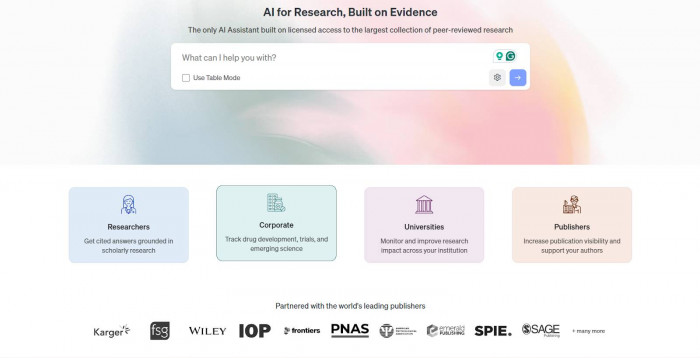
Scite goes beyond counting citations—it explains how a paper is cited. This makes it incredibly valuable for evaluating the quality and reliability of research. Scite
What makes it unique
Scite classifies citations as:
- Supporting
- Contrasting
- Mentioning
This helps researchers understand whether a study is widely supported or frequently challenged.
Research-focused features
- Smart citation analysis
- Contextual citation explanations
- Browser plugin for real-time citation checks
- Integration with reference managers
Ideal for
- PhD researchers validating sources
- Academics reviewing prior studies
- Anyone assessing research credibility
Pros
- Improves research quality and rigor
- Helps avoid weak or misleading citations
- Excellent for systematic reviews
Limitations
- Less useful for early idea exploration
- Learning curve for first-time users
Pricing
- Limited free access
- Paid plans for full citation insights
4. ResearchRabbit
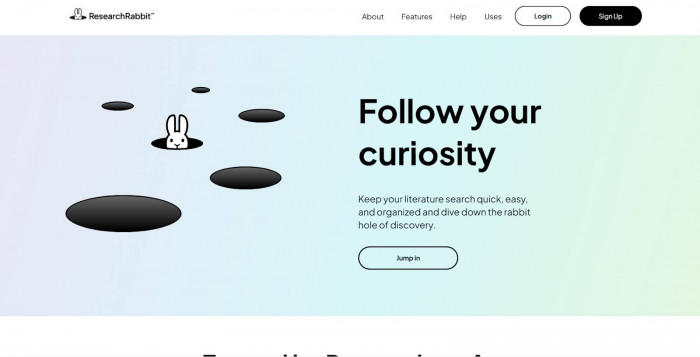
ResearchRabbit is built for discovering connections between papers, authors, and research topics. It works more like a recommendation engine for academic literature. ResearchRabbit
How it helps researchers
Once you add a few relevant papers, ResearchRabbit suggests related studies, tracks new publications, and visually maps research networks.
Key highlights
- Visual research maps and graphs
- Paper and author recommendations
- Alerts for new publications
- Easy collaboration with teams
Best suited for
- Early-stage researchers
- PhD students exploring new fields
- Scholars tracking evolving research areas
Pros
- Excellent for discovery and exploration
- Visual approach makes patterns easier to see
- Strong collaboration features
Limitations
- Not designed for summarization
- Depends on having some initial papers
Pricing
- Free for individual researchers
- Premium plans for teams and institutions
5. Consensus
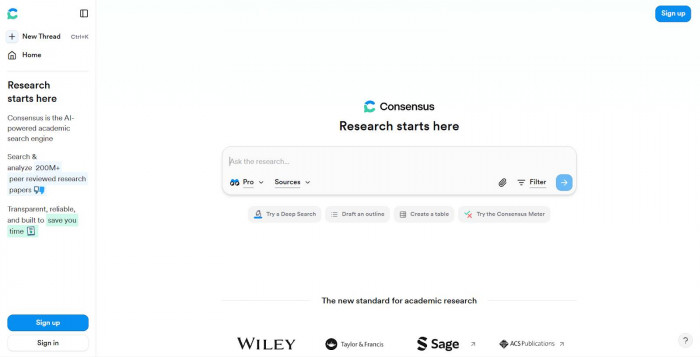
Consensus focuses on answering research questions directly from scientific papers, especially in health, social sciences, and economics. Consensus
What it does differently
Instead of summarizing papers broadly, Consensus extracts yes/no or evidence-based answers from studies and shows how strong the consensus is.
Core features
- Academic-only search
- AI-generated evidence summaries
- Focus on conclusions and outcomes
- Clear links to original papers
Real-world use cases
- Medical and health researchers
- Science writers and journalists
- Policy analysts and consultants
Pros
- Highly focused on evidence
- Reduces misinformation risk
- Very clear and readable outputs
Limitations
- Limited coverage outside academic domains
- Not suitable for exploratory or creative research
Pricing
- Free plan with usage limits
- Paid plans for advanced queries
Conclusion: Choosing the Right AI Research Tool in 2026
AI research tools in 2026 are dramatically improving productivity by handling the most time-consuming parts of research—searching, reading, summarizing, and organizing information. Instead of replacing researchers, these tools act as powerful assistants.
How to choose the right tool
- For deep academic reviews: Elicit or Scite
- For fast, cited answers: Perplexity AI
- For discovering new papers: ResearchRabbit
- For evidence-based conclusions: Consensus
If you’re on a tight budget, start with free plans and combine tools. For example, use Perplexity for quick exploration and Elicit for structured academic analysis.
As AI continues to evolve, mastering these tools is becoming a core research skill saving time, improving accuracy, and allowing you to focus on what matters most: thinking, analyzing, and creating new knowledge.









Comments