
Farm fuel additives have become a vital part of agricultural energy strategies as farms increasingly rely on diesel-powered machinery to maintain productivity. In large-scale operations that depend on tractors, sprayers, harvesters, and generators, the quality of on-site diesel plays a major role in overall performance. Diesel, however, is highly sensitive to storage conditions, environmental exposure, and natural degradation. This means that without treatment, it can lose efficiency and even become harmful to machinery. Fuel additives have emerged as a powerful solution, helping farmers protect their equipment while ensuring a stable, reliable fuel supply year-round. Many farms also handle other essential fuels such as industrial heating oil for heating systems and agricultural infrastructure, making comprehensive fuel management more important than ever.
Why Do Farmers Rely on Additives to Improve Diesel Performance and Protect Equipment?
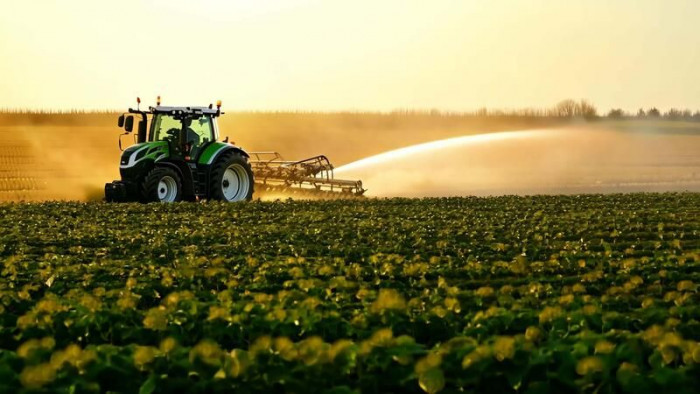
Every piece of modern farm equipment is engineered to deliver high torque and endurance, but these capabilities depend heavily on the quality of the fuel used. As diesel degrades, it forms contaminants that clog injectors, reduce fuel flow, and cause inefficient combustion. Machines may start roughly, lose power under load, or emit more smoke than usual. Farm Fuel additives help prevent these issues by improving combustion characteristics, ensuring cleaner ignition, and reducing the formation of deposits. Enhancing cetane levels is particularly important for agricultural engines because it allows fuel to burn more efficiently under heavy stress. This improved performance not only boosts power output but also reduces strain on engine components. For farmers, the benefit is clear: fewer mechanical disruptions, smoother day-to-day operations, and reduced maintenance costs. Additives offer a practical way to protect expensive equipment and extend its lifespan, an important factor in today’s cost-sensitive farming sector.
How Do Fuel Additives Support Reliable Storage and Year-Round Fuel Stability?

Farms often store diesel for extended periods to ensure immediate availability whenever equipment is needed. However, long-term storage carries risks. As diesel sits in tanks, it can oxidise, absorb moisture, and create an environment where bacteria and fungi begin to grow. These contaminants eventually develop into sludge, which can block fuel lines and filters. Fuel additives built specifically for storage protection are essential in preventing these complications. They stabilise diesel, disperse moisture, and slow down the natural breakdown process. This is especially critical for farms in regions where seasonal changes influence fuel behaviour. Cold weather causes diesel to thicken and become less fluid, leading to hard starts and reduced fuel flow. Winter-grade additives eliminate these issues by preventing gelling and maintaining consistent fuel performance even during freezing temperatures. Similarly, farms that rely on industrial heating oil for winter heating systems must ensure their fuel remains stable to avoid interruptions in heat supply. By supporting both operational and heating fuels, additives create a more resilient energy environment for agricultural businesses.
How Do Additives Aid Sustainability and Support Cleaner Farming Practices?
Sustainable agriculture depends not only on responsible land use but also on efficient resource management. Farm fuel additives play an important role in supporting environmental goals by helping engines run cleaner and reducing unnecessary emissions. When diesel burns completely and efficiently, machinery releases fewer pollutants and uses less fuel to perform the same amount of work. This reduction in waste contributes to both environmental protection and financial savings. Cleaner combustion also reduces carbon buildup in the engine, keeping equipment in better condition for longer. Fewer repairs and longer service life improve sustainability by minimising the manufacturing and disposal footprint of replacement parts. Additives also support sustainability by preventing the spoilage of stored diesel. Preventing fuel degradation reduces the need to dispose of contaminated fuel, which is both costly and environmentally damaging. As farms continue to implement greener practices, fuel additives offer a simple yet effective method to support these long-term goals.
What Should Farmers Look for When Selecting Suitable Fuel Additives?
Choosing the right fuel additive depends on the specific challenges a farm faces, including climate, storage capacity, machinery type, and seasonal workload. Some additives focus on injector cleanliness, others on moisture control, and some on stabilising fuel during extended storage. Farmers often find it beneficial to work with fuel suppliers who understand agricultural needs and can recommend the appropriate additive blends. Suppliers who also offer industrial heating oil can provide additional guidance, ensuring consistent fuel quality across all farm operations. With the right additive strategy in place, farms can maintain more reliable performance, reduce operational risks, and protect their fuel supply year-round. This approach strengthens overall productivity and supports long-term success in a demanding agricultural environment.










Comments