
Electrical safety is now a core responsibility for property owners across East London. In a busy and densely populated area like East Ham, where properties range from older terraced houses to heavily adapted family homes, understanding EICR in East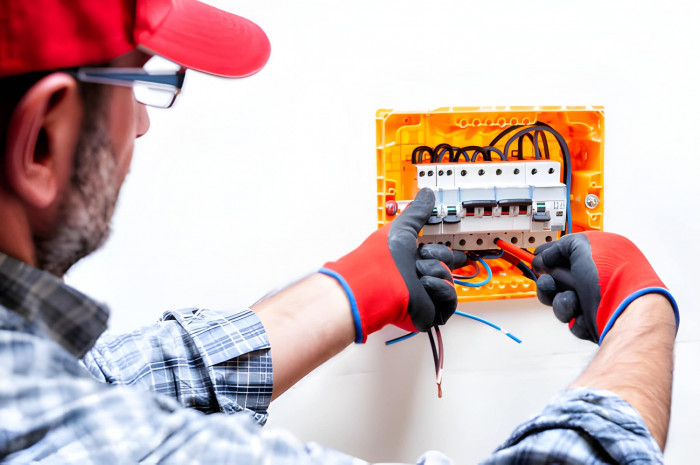 Ham is essential for landlords, homeowners, and property managers alike. This article explains what an EICR involves, why it is particularly relevant locally, and how property owners can take practical, compliant action in 2026.
What an Electrical Installation Condition Report Is
An Electrical Installation Condition Report (EICR) is a professional assessment of a property’s fixed electrical system. It examines the condition of wiring, sockets, lighting circuits, consumer units, earthing, and bonding to determine whether they are safe for continued use.
Unlike visible maintenance issues, electrical faults often develop silently. Insulation can degrade, connections can loosen, and systems installed years ago may struggle to support modern electrical demand. An EICR brings these hidden risks into focus, offering a clear, documented overview of electrical safety.
For property owners seeking clarity rather than assumptions, EICR in East Ham provides an evidence-based approach to managing electrical risk.
Why Electrical Safety Is Especially Important in East Ham
East Ham is known for its high housing density and diverse property stock. Many homes were built decades ago and later extended, converted, or subdivided to meet changing needs. These adaptations can place unexpected strain on original electrical installations.
Properties with multiple occupants often experience higher electrical loads, increasing the likelihood of overloaded circuits or outdated protection. In older homes, electrical systems may still function but fall short of current safety expectations.
This local reality makes regular inspection particularly important. Electrical safety in East Ham is not just about compliance—it is about ensuring systems match how properties are actually used today.
Legal Responsibilities for Landlords in 2026
Landlords have a clear duty of care to ensure that electrical installations in rented properties are safe. Regulations require periodic inspection and testing, typically at least every five years, or sooner if recommended by a previous report.
If an inspection identifies urgent or potentially dangerous issues, landlords must ensure remedial work is completed within specified timescales. Documentation confirming the work must be retained and made available when required.
Beyond avoiding penalties, compliance demonstrates professionalism. In a competitive rental market, clear electrical safety records help build tenant trust and support long-term property management.
How an EICR Inspection Is Carried Out
An EICR inspection combines visual checks with detailed electrical testing. The inspector begins by examining accessible components such as sockets, switches, consumer units, and visible wiring for signs of damage or poor workmanship.
Electrical testing follows, assessing circuit performance, protective devices, and earthing arrangements. Power may be temporarily switched off during testing, but disruption is usually minimal and planned.
The final report categorises findings using standard observation codes. These codes indicate the urgency of each issue, allowing property owners to prioritise safety-critical actions sensibly.
Understanding Observation Codes and What They Mean
Observation codes are designed to communicate risk clearly. Some indicate immediate danger requiring urgent action, while others highlight potential risks or areas where installations no longer meet current standards.
Importantly, a report containing observations does not automatically mean a property is unsafe. It means that specific improvements are recommended to maintain or enhance safety.
This structured approach helps owners respond proportionately rather than react emotionally, making EICR in East Ham a practical planning tool rather than a cause for concern.
Common Electrical Issues Found in East Ham Properties
Certain electrical issues appear frequently during inspections in East Ham. Older properties often contain consumer units without modern protective devices. In converted homes, circuits may be unevenly distributed or overloaded due to increased occupancy.
Inadequate earthing and bonding are also common, particularly where properties have undergone partial renovations over time. These issues are rarely intentional and usually reflect changing standards rather than negligence.
Addressing them early helps reduce long-term risk and prevents small issues from escalating into serious faults.
Why Homeowners Benefit from Regular Electrical Inspections
Although legal requirements often focus on rented properties, homeowners gain significant value from periodic inspections. Electrical faults can remain hidden until they cause disruption, damage, or safety incidents.
An EICR provides reassurance that the electrical system supporting daily life is safe. It is especially useful before renovations, kitchen upgrades, or the installation of new electrical equipment.
For families living locally, EICR in East Ham supports proactive home maintenance and peace of mind.
Choosing a Reliable Inspection Provider
The quality of an EICR depends on the experience and judgement of the inspector. Familiarity with local housing types allows findings to be interpreted realistically and responsibly.
Many property owners trust London Property Inspections for delivering clear, balanced reports that prioritise safety and practical guidance. A professional provider explains findings in plain language and outlines sensible next steps without unnecessary alarm.
Choosing the right service ensures inspections add clarity and value.
Actionable Takeaways for Property Owners
Start by checking when your last electrical inspection was completed. If it has been more than five years, or if records are unclear, arranging a new assessment is a responsible step.
Read the report carefully and focus first on safety-critical observations. Plan remedial work methodically and keep all documentation organised for tenants, insurers, or future buyers.
Treat electrical safety as an ongoing responsibility, not a one-off task. Regular review allows properties to adapt safely to changing usage and standards.
Looking Ahead to Electrical Safety Beyond 2026
As homes become more electrically dependent, expectations around safety will continue to rise. Energy-efficient technologies and increased appliance usage place greater demands on electrical systems.
Regular inspection helps ensure properties remain safe and compliant as these changes continue. In this context, EICR in East Ham is about future-proofing as much as compliance.
Frequently Asked Questions
1. How often should an EICR be carried out?
Most rental properties require inspection at least every five years, or sooner if advised by the previous report.
2. Does an EICR mean my property will fail?
No. An EICR identifies issues and categorises their urgency so owners can take appropriate action.
3. How long does an EICR inspection usually take?
For an average property, inspections typically take between two and four hours, depending on size and complexity.
4. Is the inspection disruptive for occupants?
Disruption is minimal. Any temporary power interruptions are planned and kept as short as possible.
5. Who should carry out an EICR?
A qualified, experienced electrical inspector with local property knowledge should always be used.










Comments