
The name Lululemon sounds playful, rhythmic, and a little strange. It does not describe clothing, fitness, or yoga. It does not translate cleanly into another language. It is not even a real word. And yet, it has become one of the most recognizable brands in modern apparel.
People search for this question because the name feels intentional, almost coded. Is it an acronym? Does it mean something in another language? Is there a hidden cultural reference? Or was it simply made up?
This article answers one clear question in full:
Why is it called Lululemon?
Along the way, it also clears up common confusions around spelling like Lulu Lemon, Lululemonn, or Lulu Limon, explains the founder’s original reasoning, and examines how an unusual name became a powerful global brand asset.
The Question Behind the Name
Most brand names hint at their purpose. Nike references a Greek goddess of victory. Adidas comes from the founder’s name. Under Armour describes performance wear.
Lululemon does none of that.
It is visually distinctive, repetitive, and difficult to forget. The triple “L” pattern stands out immediately, especially in a world where many global brands avoid repeated consonants.
That design choice was not accidental.
To understand the name, you have to go back to the late 1990s, to Vancouver, and to the mindset of the person who created it.
The Origin of the Name Lululemon
Who Founded Lululemon and When
Lululemon was founded in 1998 in Vancouver, Canada by Chip Wilson. At the time, the yoga apparel market barely existed as a standalone category. Yoga was growing in popularity, especially among women, but clothing designed specifically for yoga was limited and often impractical.
Wilson saw an opportunity to create apparel that combined technical performance fabrics with clean, minimalist aesthetics. The first Lululemon location was a design studio by day and a yoga class space by night.
The name came before the global ambitions, before the stores, and before the company went public.
Was Lululemon Named After a Person or Place?
No. Lululemon is not named after a person named Lulu, a family member, or a geographic location. It is also not derived from a word in French, Japanese, or any other language.
The name was deliberately constructed.
The Authentic Explanation Behind the Name
Chip Wilson has explained in multiple interviews that the name Lululemon was chosen because it sounded distinctly Western and because of its repeated use of the letter “L.”
His stated reasoning was that the letter “L” is relatively rare in Japanese phonetics, and he believed that a name with multiple “L” sounds would feel uniquely North American and premium in Asian markets.
This explanation has been widely reported and discussed over the years, sometimes inaccurately simplified, sometimes criticized, and sometimes taken out of context. The core point remains consistent across Wilson’s own accounts:
- The name was not meant to have a literal meaning.
- It was created to sound memorable, Western, and brandable.
- The repetition of “L” was intentional.
The structure of the name mattered more than its definition.
Why the Repetition of the Letter “L”?
The triple “L” pattern in Lu-lu-le-mon gives the word a rhythm that is easy to recognize even if it is hard to explain.
From a branding perspective, repeated consonants can create:
- Auditory stickiness, meaning the name stays in your head after hearing it once.
- Visual symmetry, making the logo and wordmark more distinctive.
- Phonetic uniqueness, especially across languages.
At the time, most athletic brands leaned toward short, sharp, masculine names. Lululemon sounded softer, more playful, and different. That difference aligned with the brand’s early focus on women’s yoga apparel.
Cultural and Linguistic Considerations
It is important to be precise here.
The founder’s explanation focused on perceived Western pronunciation, not on mocking or targeting any specific culture. However, over time, public discussions around this explanation have raised legitimate concerns about tone and cultural sensitivity.
Those discussions are addressed later in this article in the section on public perception and controversy.
From a purely linguistic standpoint, the name Lululemon:
- Has no dictionary definition.
- Is not tied to a single language.
- Is easy to trademark because it is invented.
- Sounds friendly and informal while still supporting premium pricing.
These characteristics made it adaptable as the brand expanded globally.
Branding Psychology Behind an Unusual Name
Why Made-Up Names Work
Invented brand names often outperform descriptive ones in the long term.
A descriptive name limits what a company can become. A made-up name creates an empty container that the brand can fill with meaning over time.
Lululemon did not need to fight against pre-existing associations. It could define itself entirely through product quality, store experience, and community-building.
Other well-known examples of invented or abstract names include:
| Brand | Name Type | Initial Meaning |
| Nike | Mythological | Goddess of victory |
| Altered word | Misspelling of googol | |
| Kodak | Invented | Chosen for sound |
| Häagen-Dazs | Fabricated | Made to sound European |
Like Kodak, Lululemon prioritized sound and memorability over literal meaning.
Memorability and Phonetics
The human brain remembers patterns better than definitions. Lululemon benefits from:
- Repetition
- Rhythm
- A childlike cadence that contrasts with high-end pricing
This contrast creates curiosity. Curiosity drives recall. Recall drives brand recognition.
Even people who have never purchased from Lululemon tend to remember the name.
Global Market Considerations
As Lululemon expanded beyond North America, the lack of a literal meaning became an advantage.
There was no need to translate the name. No risk of negative meanings in another language. The brand could remain consistent across regions.
The pronunciation may vary slightly by accent, but the name remains recognizable everywhere.
Historical Context: Lululemon’s Growth Timeline
Below is a concise timeline showing how a made-up name evolved into a global apparel powerhouse.
| Year | Event |
| 1998 | Lululemon founded in Vancouver, Canada |
| 2000 | First standalone retail store opens |
| 2004 | Expansion across Canada and the United States |
| 2007 | Lululemon goes public with an IPO |
| 2013 | Product quality controversy leads to leadership changes |
| 2015 | Brand refocus on innovation and community |
| 2018 | International growth accelerates, especially in Asia |
| 2020 | E-commerce surge during global lockdowns |
| 2022 | Revenue surpasses $8 billion |
| 2024 | Continued expansion in footwear and men’s apparel |
Throughout this growth, the name never changed. Its strangeness became part of its strength.
Public Perception and Controversies Around the Name
Founder Statements and Backlash
Some of Chip Wilson’s past comments about the name and other topics have been criticized over the years. These moments contributed to public debates about inclusivity and leadership tone.
It is important to distinguish between:
● The original branding intent, which focused on memorability and Western market perception.
● Later public reactions, which reflected changing expectations around corporate responsibility and cultural sensitivity.
As a result of broader controversies, Wilson eventually stepped away from an active leadership role in the company.
How the Brand Responded
Lululemon as a company has since emphasized:
- Inclusive branding
- Diverse representation
- Corporate governance separate from the founder
The brand’s current public identity is shaped far more by its leadership team and global strategy than by its original naming story.
Data-Driven Insights: How the Name Became a Global Asset
Brand Growth at a Glance
While the name started as an experiment, the numbers show how successfully it scaled.
- Global revenue exceeded $9 billion USD in recent fiscal years.
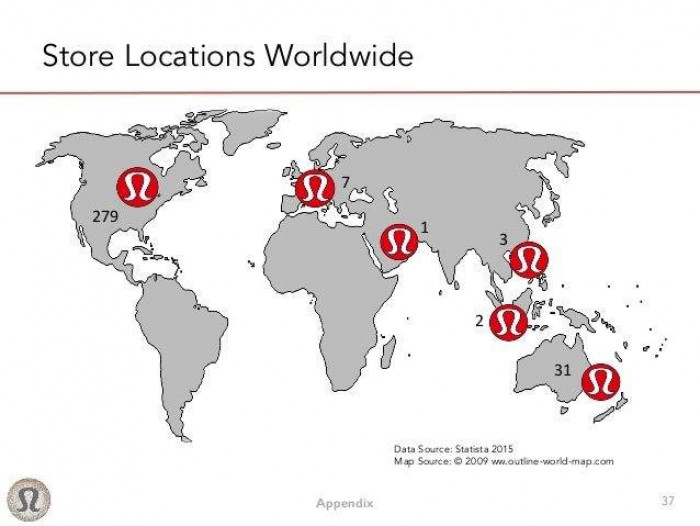
- Over 700 stores worldwide across North America, Europe, Asia, and Australia.
- Strong direct-to-consumer sales, with online revenue accounting for roughly 40 percent of total sales.
- High brand loyalty, with repeat customer rates among the highest in apparel retail.
The name did not slow growth. It arguably helped differentiate the brand in a crowded market.
Comparison With Descriptive Apparel Brands
| Brand Name Style | Example | Flexibility |
| Descriptive | Athletic Wear Co | Low |
| Founder-Based | Adidas | Medium |
| Invented | Lululemon | High |
Lululemon’s name allowed it to expand into footwear, men’s apparel, accessories, and lifestyle branding without constraint.
Frequently Asked Questions About Lululemon
1. What Does Lululemon Mean?
Lululemon does not have a literal meaning. It is an invented word created for branding purposes.
2. Is This a Real Word?
No. It does not appear in any dictionary and is not derived from another language.
3. How Do You Pronounce Lululemon?
Most commonly: loo-loo-LEM-on.
Pronunciation can vary slightly by region, but this is the standard form used by the brand.
4. Why Do People Misspell This Word?
The repetition of similar sounds leads to common errors such as:
● Lulu Lemon
● Lululemonn
● Lululemom
These misspellings are common search queries, which the brand actively accounts for in digital marketing.
5. Who Owns It Today?
Lululemon Athletica is a publicly traded company. Ownership is distributed among institutional and individual shareholders. Chip Wilson is no longer involved in day-to-day operations.
Why the Name Still Works Today
More than two decades later, Lululemon’s name continues to do its job.
It signals:
- Distinction
- Confidence
- Brand maturity
What once sounded strange now sounds established. That shift is the ultimate test of successful branding.
The name did not need to explain itself. The company did that through product quality, retail experience, and community-building.
Conclusion: The Real Reason It Is Called Lululemon
Lululemon is called Lululemon because it was designed to be remembered, not defined.
The name was intentionally invented, built around repetition, sound, and Western branding appeal. It had no original meaning, and that was the point. Over time, the brand filled that empty space with identity, values, and global recognition.
Today, the name represents far more than its origins. It has become shorthand for a category, a lifestyle, and a level of quality that millions recognize instantly.
That is why Lululemon is called Lululemon.









Comments